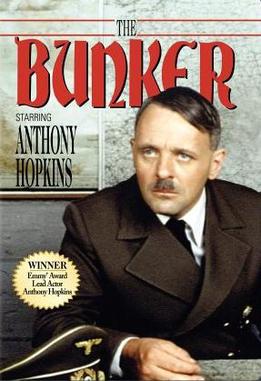
There are several movies about the last days of Hitler. “The Bunker” was a made for TV movie that
premiered in 1981. It was based on the
nonfiction book by James O’Donnell.
O’Donnell was a Newsweek correspondent who was in occupied Berlin at the
end of the war. He bribed his way into
the Bunker and snooped around, even taking some top secret documents. He made it a goal to tell the definitive
story of Hitler’s death. His substantial
research included numerous interviews with people associated with the Fuhrer in
the last days. The most obvious
comparison of this movie is to “Downfall” so some of this review will delve
into similarities and differences.
The movie
opens with O’Donnell (James Naughton) entering the Bunker and vowing to tell
the tale. The film then flashes back to
Hitler’s arrival at the site. This
bunker is a lot more bright and pristine than the one in “Downfall”. Instead of centering the movie on the
secretary Traudl, it uses multiple viewpoints.
The most notable is that of Albert Speer (Richard Jordan). Speer is something of a hero (which would
conform to his memoirs) and not only argues with Hitler on his plans to destroy
the German infrastructure, but he plots to assassinate his boss. The main villain is Martin Boorman (Michel
Lonsdale). Anthony Hopkin’s Hitler is a
lot less sympathetic than Bruno Ganz’s. He
is not portrayed as evil either. He’s
tired and dazed. The crucial scenes like
the wedding, the killing of the Goebbel’s kids, and the Adolf and Eva suicides
are similar in both movies.
“The Bunker” is not bad for a made for TV
movie. It is accurate enough to have
given the television audience the basics on Hitler’s death. Some of the dialogue was improvised, but that
is acceptable. There are some
controversial (if you are a historian) interpretations of incidents. For instance, when Speer tells Hitler that he
has not carried out his scorched earth plan, Hitler reacts as though he is not
surprised. The acting is fine, with
Hopkins dominating of course. He is not
on the same level of Ganz, but he did win an Emmy and his interpretation of
Hitler may actually be more realistic.
One major complaint is the sets are too phony looking. You don’t quite get the desperation that the
visuals should imply. On the other hand,
the Bunker is much emptier and quieter in the last few days. That is probably closer to reality than
“Downfall”.
In conclusion, “The Bunker” is a
sincere effort to cover an important and fascinating event in history. It served a purpose until 2004 when
“Downfall” replaced it as the definitive account of the event. It’s still worth watching as a companion to
“Downfall”. Concentrate on how the same
historical event can be variously interpreted.
GRADE = B-

