Spartacus: Film and History by Martin Winkler, ed.
1. The Catholic Legion of Decency put pressure on Universal to cut shot of severing of limbs. drowning of Marcellus in soup, blood spurting on Crassus when he kills Draba, and hints of homosexuality (“oysters and snails”)
2. Scenes that were cut and lost included several scenes of Gracchus and Caesar. So much of his performance was cut that the irascible Laughton sued.
3. Kubrick disavowed the film because he felt he did not have enough control over the story. However, he did insist on the final battle scene.
4. Douglas insisted the theme be “a slave whose vision of freedom almost overthrew the Roman Empire”. He also bumped up the love story.
5. The original plan was for an expanded battle with Glabrus, a battle montage of the subsequent battles, and a small version of the final battle.
6. After Trumbo’s critique of the first rough cut, scenes were added including: the first meeting with Tigranes, Spartacus’ speech at the gladiator school, Spartacus’ speech on the beach, the duel with Antoninus.
7. Universal cut the Battle of Metapontum, leaving only a reference made to the loss at the public bath.
8. Kubrick wanted the cause of defeat to be moral weakness of the slave class and the Crixus split. Douglas overruled him.
Sunday, October 29, 2017


Friday, October 27, 2017
“SPARTACUS” TRIVIA
“SPARTACUS” TRIVIA: I Am Spartacus! Making a Film, Breaking the Blacklist by Kirk Douglas
1. The screenwriter, Dalton Trumbo, was a member of the “Unfriendly Ten” which were nine screenwriters and one director (Edward Dmytryk) who were brought before the House Unamerican Activities Committee to testify about communists in the movie industry. Congressman J. Parnell Thomas headed the witchhunting committee which included Richard Nixon. Trumbo refused to answer the question: “Are you a member of the Communist Party?” and was sent to prison. Kirk Douglas was not enough of a star to be part of the Committee for the First Amendment which included Humphrey Bogart, Lauren Bacall, Gene Kelly, Danny Kaye, and John Huston. Stars that supported HUACs efforts included Gary Cooper, Robert Montgomery, George Murphy, and Adolphe Menjou (Douglas’ co-star in “Paths of Glory”). In an act of karma, Thomas ended up in prison himself for padding his payroll. He went to the same prison that two of the “Hollywood Ten” (Lester Cole and Ring Lardner, Jr.) were sentenced to.
2. Novelist Howard Fast wrote the source novel. He was a communist and went to prison for contempt of Congress. In prison, he began researching the life of Spartacus. Upon release, he was under surveillance from J. Edgar Hoover’s FBI. Hoover accumulated over one thousand pages in his file. When the novel was finished, Hoover put pressure on publishers to not publish it. Fast ended up self-publishing. Later, Fast broke with the Communist Party after Khrushchev revealed Stalin’s crimes. Douglas became interested in a film about Spartacus and optioned the book for just $100, but Fast insisted on writing the screenplay. Douglas agreed, but was skeptical of Fast’s ability to write a competent screenplay. Douglas was right. Fast’s first draft was terrible and Douglas secretly brought in Trumbo who was writing under the name Sam Jackson.
3. The movie almost did not get made because there was already a movie about Spartacus in production. It was to be based on the novel “The Gladiators” and was to star Yul Brynner.
4. Douglas approached Sir Lawrence Olivier while they were co-starring in “The Devil’s Disciple”. Olivier was interested in directing. In an awkward development, Olivier assumed he would be playing Spartacus. When Olivier decided not to direct, Douglas reluctantly turned to Anthony Mann. Douglas fired Mann (under pressure from Universal, but with Douglas’ agreement) because Mann was in over his head and had lost control of the cast, especially Peter Ustinov who was rewriting most of his lines.
5. The first choice for Varinia was Jeanne Moreau (Christine in “The Train”), but she turned it down. Jean Simmons (a friend of Douglas) pushed hard for the role, but Douglas insisted that he wanted an actress that did not have an English or American accent. He ended up settling on an unknown German beauty named Sabine Bethmann.
6. Douglas brought Stanley Kubrick in to replace Mann even though they had not enjoyed working together on “Paths of Glory”. Kubrick convinced Douglas to dump Bethmann by proving to him that she was incapable of showing emotion. (Her movie career collapsed after this.) Simmons got her chance and it worked out even though the production was set back when she had a health crisis that lasted five weeks.
7. Kubrick was a prick to work with. At one point, the horse-bound Douglas physically threatened him in order to get him to stop wearing the same clothes every day. They had several major disagreements on the script. For instance, Kubrick did not want to include the “I am Spartacus!” scene! Douglas insisted on it, thank God. Douglas was apoplectic when he learned that all his time on the crucifix ended up on the cutting room floor. He was not going to be seen in that final scene. Douglas won on that one also. On the other hand, Douglas was concerned about having to say the line: “I have never had a woman”. He felt it would result in giggles from the audience. It didn’t.
8. The biggest dispute was over the overarching theme of the movie. Douglas and Trumbo wanted the “Large Spartacus” – the slave revolt was a major threat to the Roman Republic and after winning several spectacular victories, was overwhelmed by three Roman armies. Kubrick and the studio wanted the “Small Spartacus” – Spartacus led a jail break that only had the goal of escaping from Italy, but was defeated by one Roman army. After the first underwhelming rough cut, Trumbo wrote a brilliant critique which steered the film back towards the Large Spartacus. However, Universal had the final cut and we ended up with Medium Spartacus.
9. Olivier agreed to play Crassus partly because the movie was to open with narration by Crassus. This was latter cut.
10. Trumbo threatened to quit over rewrites. He could not be on the set because not only was it a secret that he was writing the screenplay, but he literally could not come on the studio lot. Douglas mollified him by promising him screen credit using his real name and 5% of the profits. During a discussion about whether to credit Trumbo, Kubrick offered to take the credit! I told you he was a prick.
11. The movie was supposed to cost $5 million, but ended up at around $12 million. Part of the overrun was due to adding an expanded final battle scene. Franco provided 8,000 Spanish soldiers (at $8/day), but insisted that none of them being shown dying on screen!
12. John Gavin (Caesar) went to a Notre Dame at Michigan State football game and got the crowd to yell “I am Spartacus!” for his tape recorder and this is the sound that was used in the scene.
13. That’s Woody Strode, not a dummy, hanging upside down through numerous takes.
14. Douglas broke Charles McGraw’s (the trainer) jaw when filming the soup-drowning scene. The cut that appears in the movie involves a stunt double.
15. The actor who gets his arm cut off in the final battle was an amputee with a prosthetic arm. Douglas refused to do more than three takes.
16. Douglas had to talk the prudish Simmons into taking off her bra for the bathing scene.
17. Universal made 42 cuts to the movie before releasing it. These included: no severing pf an arm, we don’t see Gracchus’ suicide, no montage of other battles (not even the map and narration), and of course, no “snails and oysters” scene. In general, the studio cuts reduced Spartacus’ historical significance because the powers did not want the rebellion to appear to have had a chance to succeed. This might have inspired communists!
18. The “snails and oysters” scene was discovered years later, but the audio was so bad it had to be recreated. Tony Curtis came in to do his lines again, but Olivier had passed away so Anthony Hopkins did his voice, extremely well.
Thursday, October 26, 2017
The "Spartacus" Threads
I just finished showing the movie "Spartacus" for the thirtieth time or so in my Western Civilization classes. Obviously, I am a huge fan. It is one of the great historical epics and one of my favorite war movies. I show it, not so much because of its accuracy, but more because of its entertainment value plus its historical value. I have done a lot of research on the movie and want to share some of it. So what follows is a series of threads on this remarkable movie. You might want to start with my review of it at "Spartacus".
HISTORY OR HOLLYWOOD: SPARTACUS
1. Spartacus was a Thracian who was born a slave.
2. Spartacus was bought by Batiatus from a salt mine and trained at his gladiator school near Capua.
3. Spartacus was trained at a gladiator school in Capua.
4. Spartacus’ “wife” was a slave from Britainia who he met at the gladiator school.
5. Gladiators did not fight to the death at the schools.
6. Crassus demanded a show which led to the rebellion.
7. The rebellion broke out in the kitchen.
8. Spartacus vowed to never witness a gladiatorial combat again.
9. Spartacus was the leader of the rebels.
10. Spartacus turned down the suggestion of crossing the Alps and opted for marching south to hook up with pirates
11. The rebels set up camp on the slopes of Mt. Vesuvius and were joined by thousands of slaves.
12. Glabrus came after them with the Roman garrison, but the slaves surprised his unfortified camp.
13. Spartacus’ plan was to move to the southern tip of Italy and hire Cilician pirates to transport them back to their homes.
14. The slave army defeated several Roman armies.
15. Crassus was appointed First Consul by the Senate and made commander in chief with the purpose of putting down the rebellion. His plan was to establish order.
16. Crassus was trying to force Spartacus to march on Rome by having Pompey and Lucullus sandwich him.
17. The pirates were bought off by Crassus and betrayed Spartacus.
18. Spartacus decided to march on Rome for a decisive battle and set all the slaves free.
19. Spartacus used fire rollers in the final battle. Spartacus fought on horseback. Crixus was killed in the battle. Crassus won because Pompey and Lucullus arrived as reinforcements.
20. Spartacus and the survivors were crucified along the road to Rome.
21. Crassus took power and exiled Gracchus. Gracchus committed suicide.
1. Spartacus was a Thracian who was born a slave. HOLLYWOOD Although he was from Thrace, Spartacus was probably an auxiliary in the Roman army. He was probably in the cavalry. For some reason, he deserted and became an outlaw. He was then captured. He was probably about 30 years old at the time.
2. Spartacus was bought by Batiatus from a salt mine. HISTYWOOD Most likely Spartacus was bought at a slave auction in Rome. The Batiatus of the film was based on Spartacus’ owner Lentulus Batiatus (sometimes Vatia).
3. Spartacus was trained at a gladiator school in Capua. HISTORY Batiatus’ school was located in Capua, as were many other schools. Most of his gladiators were Thracians with the second most being Gauls. The training would have been similar to what was depicted in the movie.
4. Spartacus’ “wife” was a slave from Britainia who he met at the gladiator school. HOLLYWOOD Spartacus was probably married, but to another Thracian. It is possible that she was some type of priestess who played a role in developing Spartacus’ reputation. The Romans had not conquered Britainia at the time of the revolt.
5. Gladiators did not fight to the death at the schools. HISTORY Gladiators were valuable property and their lives would not have been risked at the school. In fact, even in the arena, it was not common for the matches to end in death.
6. Crassus demanded a show which led to the rebellion. HOLLYWOOD There is no reason to believe that Crassus ever visited Batiatus. If he had, it is most likely that his party would have put thumbs up, not down, to indicate they wanted Draba to finish off Spartacus. Draba fights as a Retiarius, which was a gladiator armed with a net and a trident. Spartacus fights as a Thracian with a sword (it should have been curved) and a small, round shield.
7. The rebellion broke out in the kitchen. HISTYWOOD It did start in the kitchen. The slaves used cleavers and spits to break out. It did not start because of resentment about the fights to the death. Most likely the cause was general mistreatment. 74 gladiators got away and they lucked into finding a wagon load of gladiator weapons on the road nearby.
8. Spartacus vowed to never witness a gladiatorial combat again. HOLLYWOOD Spartacus was not the humane individual of the movie. After one of his victories over the Romans, he made a point of having some of the captives fight to the death.
9. Spartacus was the leader of the rebels. HISTYWOOD Spartacus was the most respected of the triumvirate that included the Gauls Crixus and Oenamus. There were disagreements on strategy between Spartacus and the other two.
10. Spartacus turned down the suggestion of crossing the Alps and opted for marching south to hook up with pirates. HOLLYWOOD This is the opposite of the fact that Spartacus’ original plan was to exit Italy via an Alpine pass When they approached the pass, Crixus and his followers refused to leave the plunder-rich Italian countryside. Spartacus acquiesced to this for reasons unknown.
11. The rebels set up camp on the slopes of Mt. Vesuvius and were joined by thousands of slaves. HISTORY From there they accumulated recruits, trained, and made raids on the countryside.
12. Glabrus came after them with the Roman garrison, but the slaves surprised his unfortified camp. HISTORY Glabrus is based on Claudius Glaber who was a praetor. There is no evidence that he was an ally of Crassus. He did not take six cohorts from the Roman garrison. Actually, his force consisted on 3,000 ill-trained militia. He proceeded to block the road leading to the rebel camp with the intention of starving the into submission. Spartacus and his men used vine ropes to climb down the cliffside and surprise the camp which was not fortified.
13. Spartacus’ plan was to move to the southern tip of Italy and hire Cilician pirates to transport them back to their homes. HOLLYWOOD It appears Spartacus plan was to escape Italy by way of the Alps.
14. The slave army defeated several Roman armies. HISTORY On word of Glaber’s defeat, the Senate appointed Varinius praetor and sent him after the rebels. He recruited on the march. Spartacus ambushed two wings of his army. The slave army then moved south as Varinius regrouped. In the ensuing battle, Varinius’ army performed poorly and he was badly defeated. After this battle, Spartacus had some of the captured legionaries duel and others were crucified. It was after this victory that the rebels marched north to the Alps, but decided not to cross. Part of the army broke away led by Crixus with their main goal being plunder. Two Roman armies destroyed his force in the Battle of Mount Garganus. Spartacus got revenge by defeating the two Roman armies and at funeral games for Crixus had thousands of captives fight. Once again Spartacus headed north, but again decided not to cross the Alps.
15. Crassus was appointed First Consul by the Senate and made commander in chief with the purpose of putting down the rebellion. His plan was to establish order. HOLLYWOOD Crassus was one of the richest men in Rome but he was not ostentatious about it. He lived in a nonluxurious home. He was popular with the common people because he catered to them politically. He was a private citizen at the time that the Senate gave him emergency powers to deal with the emergency. He was a logical choice because he was a gifted recruiter, wealthy enough to foot a lot of the bill, and had already had military success in Spain and with Sulla.
16. Crassus was trying to force Spartacus to march on Rome by having Pompey and Lucullus sandwich him. HOLLYWOOD As Spartacus moved southward, Crassus sent part of his army under Mummius to trail him but with strict orders not to engage. Mummius got overconfident and disobeyed the orders resulting in a bad defeat that featured some Roman units to panic and run. Crassus used decimation to punish the offending units and restore discipline.
17. The pirates were bought off by Crassus and betrayed Spartacus. HISTYWOOD After defeating Mummius and losing a detachment to Crassus, Spartacus proceeded to the toe of Italy. He did try to make arrangements with Cilician pirates for transport to Sicily, but they abandoned him. This betrayal was most probably due to them being untrustworthy pirates. An attempt by the rebels to construct rafts and float to Sicily was a dismal failure.
18. Spartacus decided to march on Rome for a decisive battle and set all the slaves free. HOLLYWOOD Crassus tried to trap Spartacus in the toe by building entrenchments blocking the rebel army in. Spartacus attempted twice to break through, but failed. He crucified a Roman prisoner in no man’s land to emphasize to his followers that it was victory or this. On a snowy night, a good bit of Spartacus’ army managed to escape the trap. Some of the Gauls broke off and were ambushed by the Romans. Spartacus arrived in the nick of time to save them, but a few days later Crassus used a diversion to occupy him and finished off the Gauls. Spartacus moved on and at one point turned on Crassus vanguard and gave it a nice whipping. He may have been heading for Brundisium hoping for some type of shipping when he heard that Lucullus army had landed. He decided to turn and face Crassus.
19. Spartacus used fire rollers in the final battle. Spartacus fought on horseback. Crixus was killed in the battle. Crassus won because Pompey and Lucullus arrived as reinforcements. HOLLYWOOD Spartacus provoked the Battle of Silarus by attacking some Roman soldiers who were digging a trench. The two armies then formed up. The two sides were similar in numbers, but not quality. Before the fight opened, Spartacus made a show of killing his horse. During the battle, Spartacus attempted to cut his way to Crassus. He killed two centurions in the process, but was himself slayed after he was hit in the thigh by a javelin.
20. Spartacus and the survivors were crucified along the road to Rome. HISTYWOOD Spartacus died in battle, but 6,000 slave survivors were crucified along the Appian Way.
21. Crassus took power and exiled Gracchus. Gracchus committed suicide. HOLLYWOOD Not only did he not become dictator, but Crassus did not even get credit for the victory. The remnants of Spartacus’ force ran into Pompey’s army and were finished off. Pompey got back to Rome first and claimed the lion’s share of the victory. The two men eventually shared power with Julius Caesar in the First Triumvirate. Gracchus was a fictional character based on any number of Senators who defended the Republic.
RATING = .36
Thursday, October 19, 2017
PICTURE, QUOTE, MOVIE #23
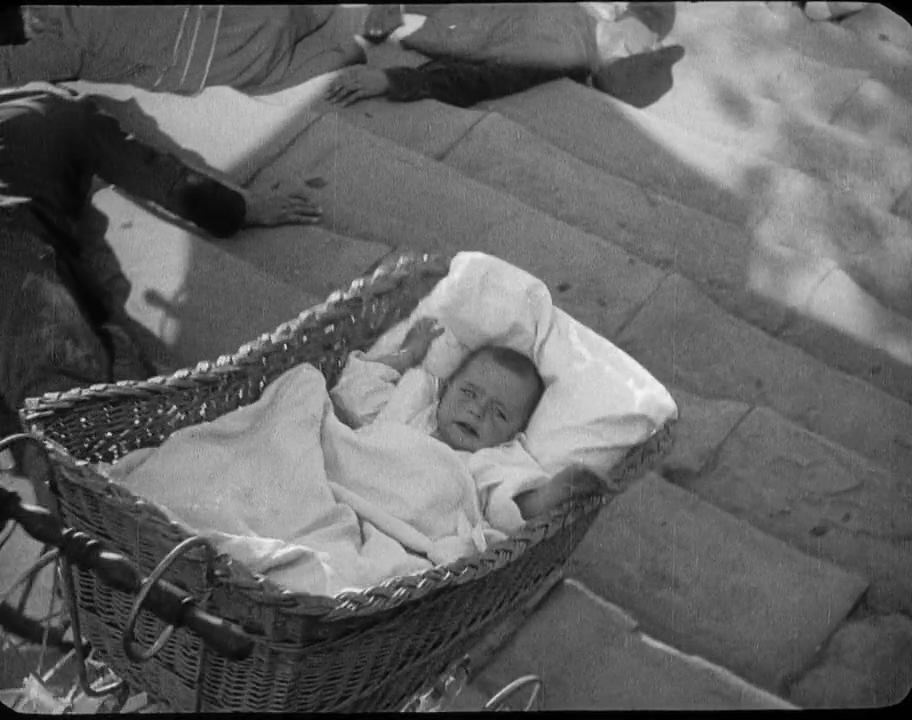
WHAT MOVIE IS THIS LINE FROM?
"Vodka is a luxury we have. Caviar is a luxury we have. Time is not."
WHAT MOVIE IS THIS?
It is a war movie based on the novel by James Michener. The movie was released in 1955, just one year after the book was published. The movie was a hit and got an Oscar for Best Special Effects. The producers had the full cooperation of the U.S. Navy which allowed the use of nineteen ships. The credits mention that the movie was made as a tribute to U.S. Navy pilots. The actors playing the husband and wife had an affair during the filming.
Subscribe to:
Posts (Atom)