“Fail
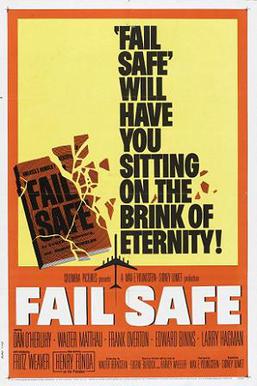
Safe” is a nuclear war movie released in 1964.
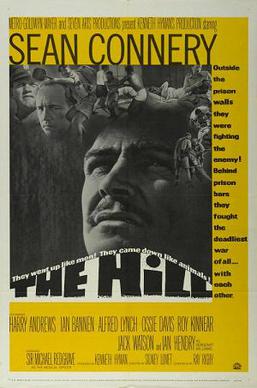
It was directed by Sidney Lumet (“The Hill”). It is based on the novel by Eugene Burdrick
and Harvey Wheeler. Amazingly, it came
out a few months after “Dr. Strangelove” and looks like the serious older
brother to that film. Because of this
dynamic, “Fail Safe” was a box office failure as the public did not take it
seriously. Talk about bad timing for a
good movie. It did garner positive
reviews.
The title refers to the
geographic point that nuclear bombers would be sent to await a “go code” to
proceed to their targets in Russia. An
off-course air liner appearing on radar screens as a UFO triggers the order to
go to the fail safe point. Then a
computer glitch sends a group of bombers on to Moscow. Russian jamming prevents reception of abort
orders. Technology is out to kill us! (By the way, the Soviets did not have this
technology.)
The rest of the movie jumps
between claustrophobic locales. The White House underground bunker, the
Pentagon war conference room, the SAC war room and a single bomber
cockpit. Fascinatingly scary decisions
have to be made as the situation escalates.
Mad scientist Prof. Groeteschele (Walter Matthau)
argues that we should seize this “opportunity” to win the Cold War. 60 million American deaths would be a fair
price to pay. His Dr. Strangelove
imitation is not as funny as Seller’s.
He is voted down and the National Security Council advises the President
(Henry Fonda) to order fighter jets to chase the bombers and shoot them
down. It’s a suicide mission and
unlikely to succeed. It sucks to be the
President sometimes. The buck stops
here.
As the last fighter radar blip
disappears from the radar screen, the President calls the Russian Premier on
the “hot line’ and has an awkward conversation.
The President’s translator (Larry Hagman) is the everyman thrust into
the middle of nuclear insanity. The
President, being a bleeding heart liberal, sympathizes with the Communist
leader and offers to help him shoot the American bombers down. The Russians lift the jamming, but the
well-trained American bomber pilots obediently disregard verbal orders to
return. In a very poignant exchange,
even the last pilot’s wife cannot sway her husband.
The bombers are followed on a
big screen like an early video game (think “Missile Command”). One by one they are splashed. The tension builds. You can tell by the close-ups of the
characters’ faces. The President tells
the Premier that if Moscow is hit, the U.S. will sacrifice New York City. Surprisingly, the First Lady is visiting.
“Fail Safe” is a chilling
depiction of hazards of reliance on technology in the nuclear age. It is excellent in portraying how a crisis
can escalate beyond imagination. The
movie is good for people who did not live through the Cold War to watch to get
a perspective on what could have happened.
It will make you appreciate the less tense world we now live in now. The movie should be viewed as a companion to
"Dr. Strangelove”, but unlike moviegoers in 1964, it would be better to see
this one first.
The film is very good. The acting is stellar. Fonda is excellent as the President you would
want to have in a crisis. He is calm and
weighs his decisions after input from his advisors. He is a reasonable man and thank God the
Soviet Premier is too. Try to picture
future Presidential candidates in his situation and vote accordingly. The rest
of the cast is outstanding with Matthau and Hagman standing out.
Sidney Lumet’s direction is
riveting. The film was shot in stark
black and white. The interiors are confining
and the close-ups add to the tension.
One weakness is the reliance on stock footage of the aircraft due to the
Air Force’s refusal to cooperate with the production. The USAF was offended by the suggestion that
a mistake could lead to nuclear disaster.
It could not have been offended by the portrayal of the fighter and
bomber pilots. They basically committed
suicide doing their duty. An interesting
feature of the film is there is no music which makes the pregnant pauses in the
conversations even more compelling. Also, we do not hear the voice of the
Soviet leader, making Hagman’s interpretation spellbinding.
In conclusion, this is a must see
movie. If you prefer different actors,
George Clooney did a word for word remake in 2000. It was a live TV production! Kudos, but the original is better. Will it crack the 100 Best? Possibly.
Grade =
A
the trailer
the full movie