Showing posts with label picture quote movie quiz. Show all posts

Sunday, May 31, 2020

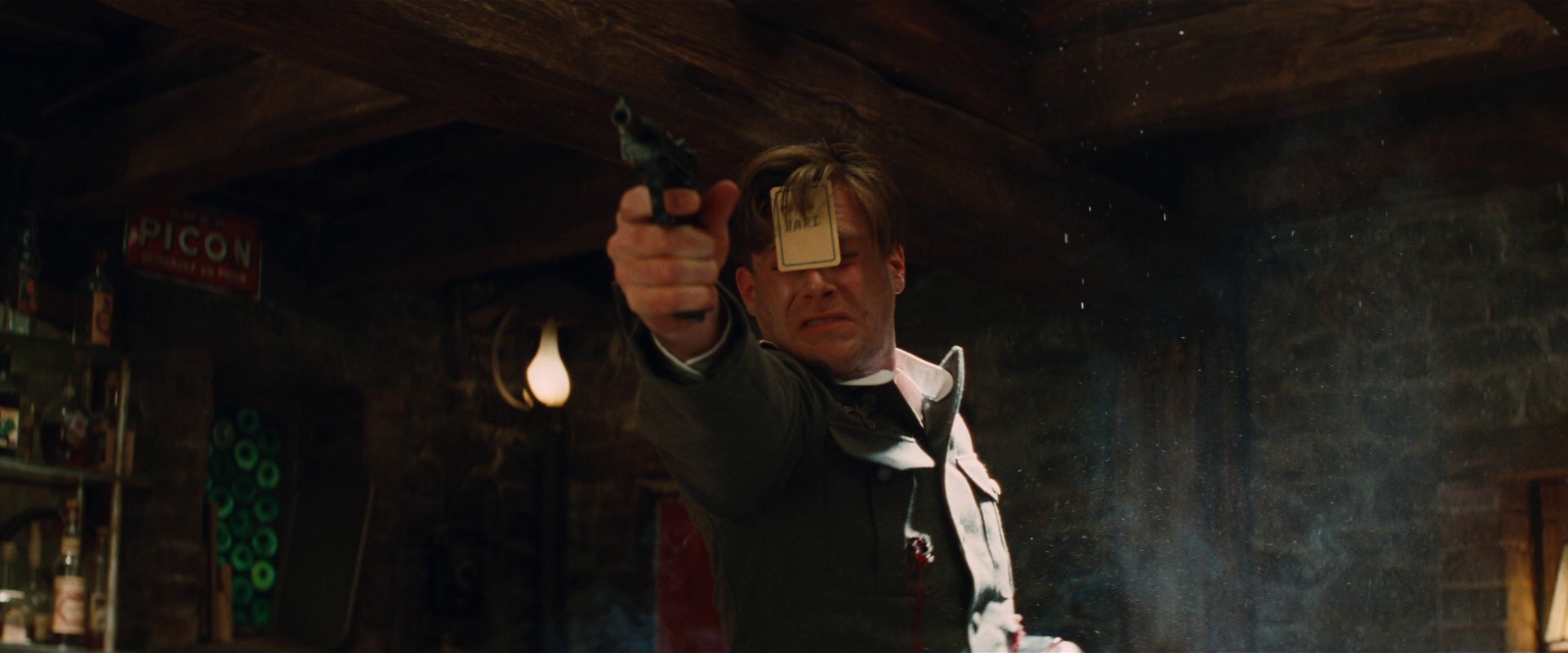
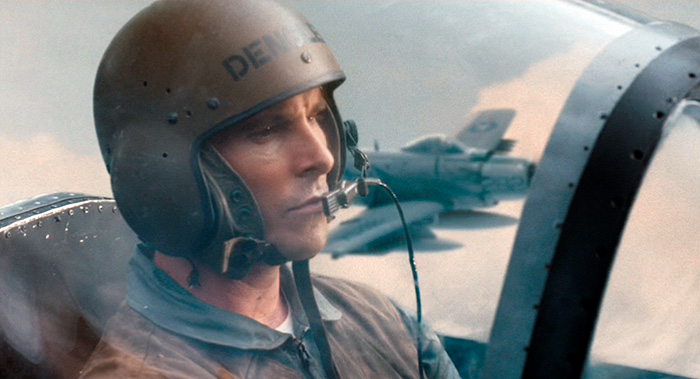
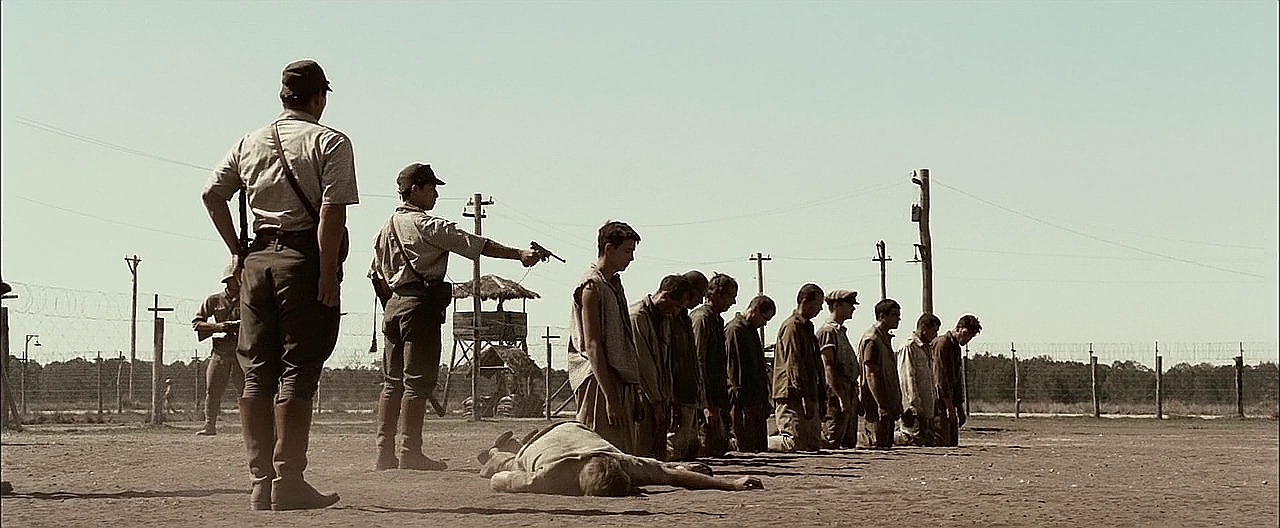
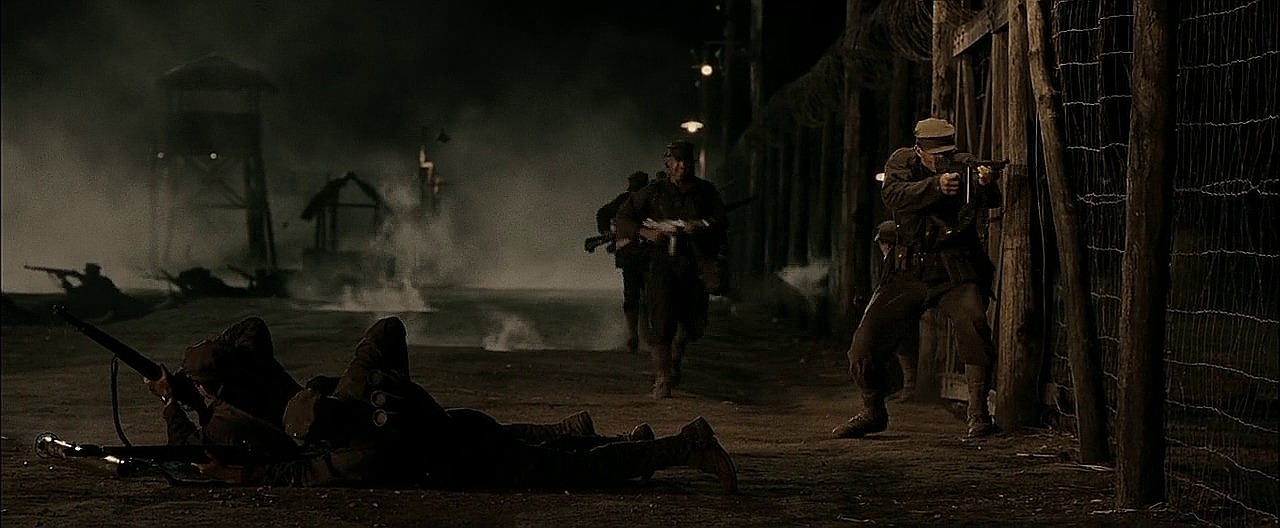
PICTURE, QUOTE, MOVIE QUIZ #84


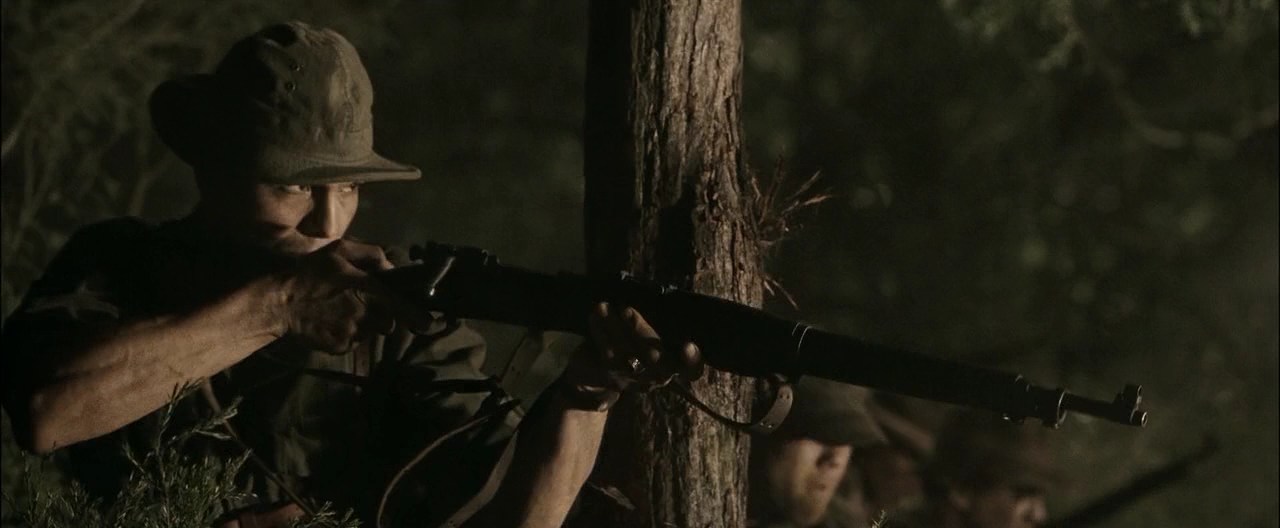
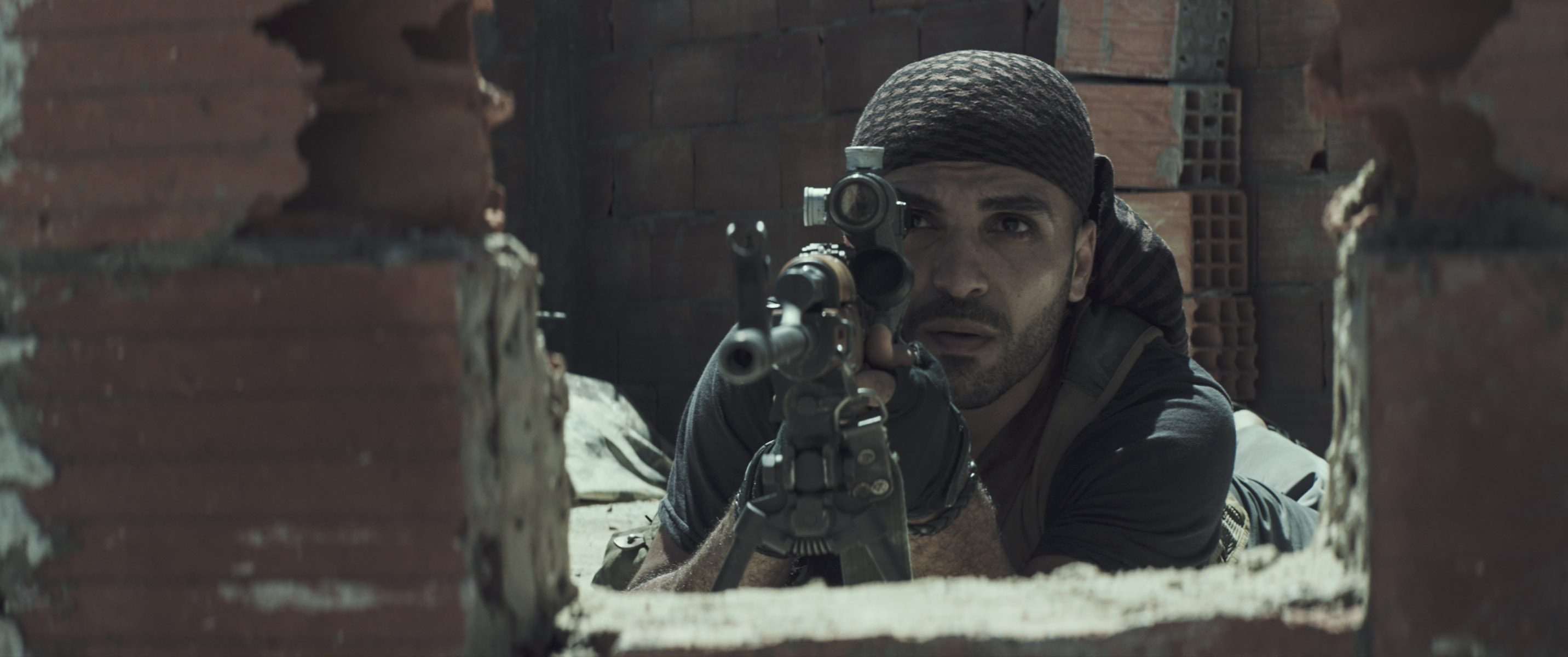
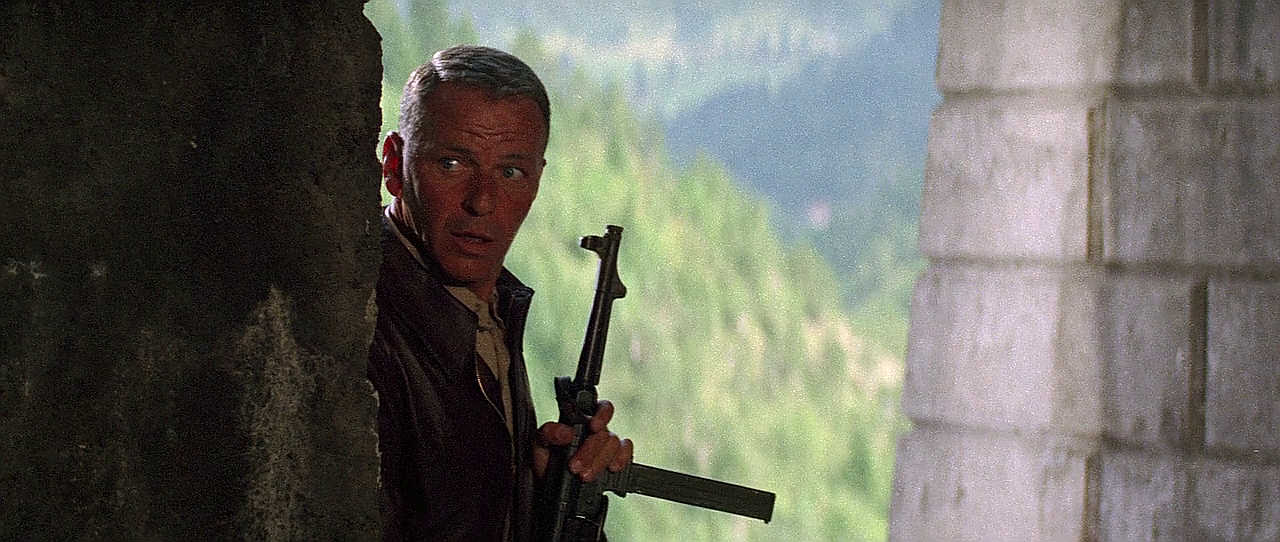
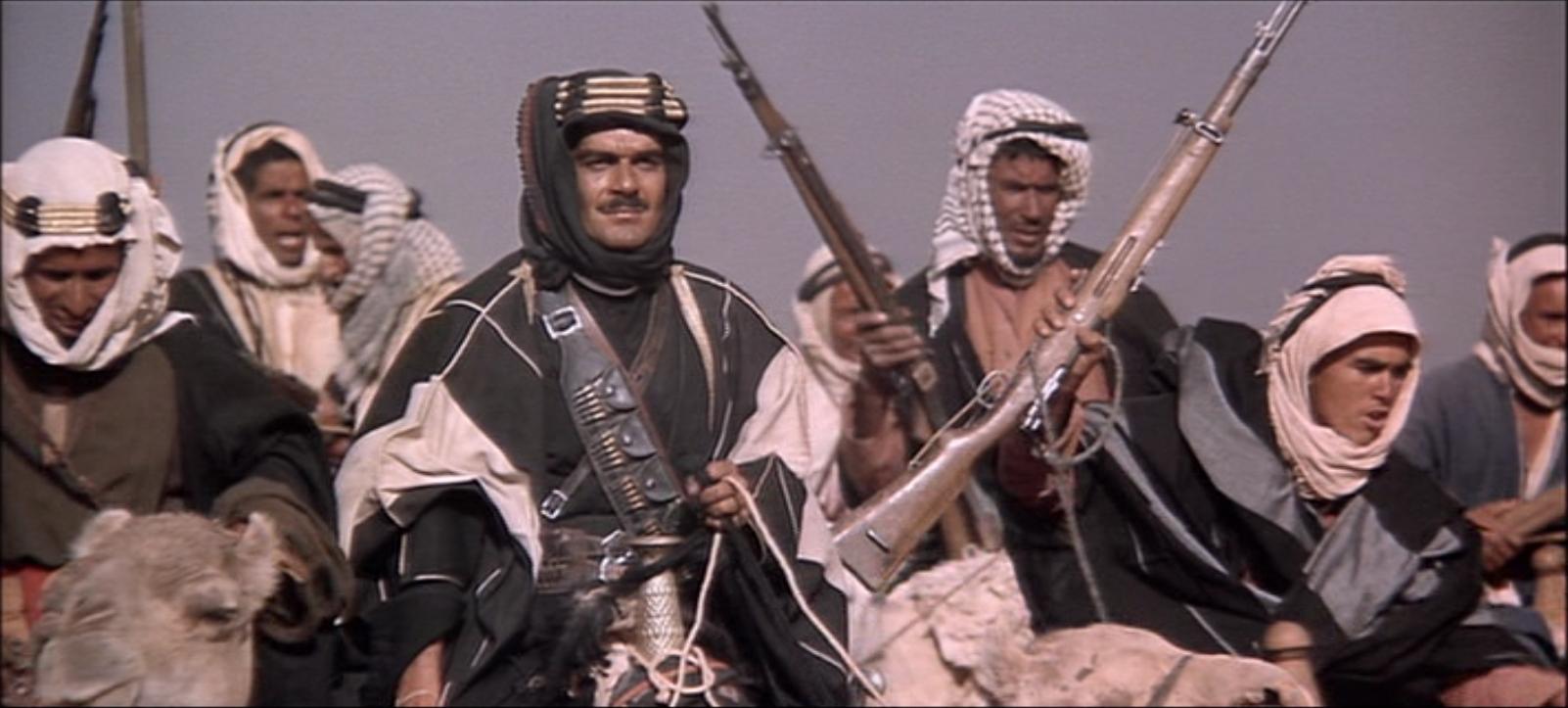
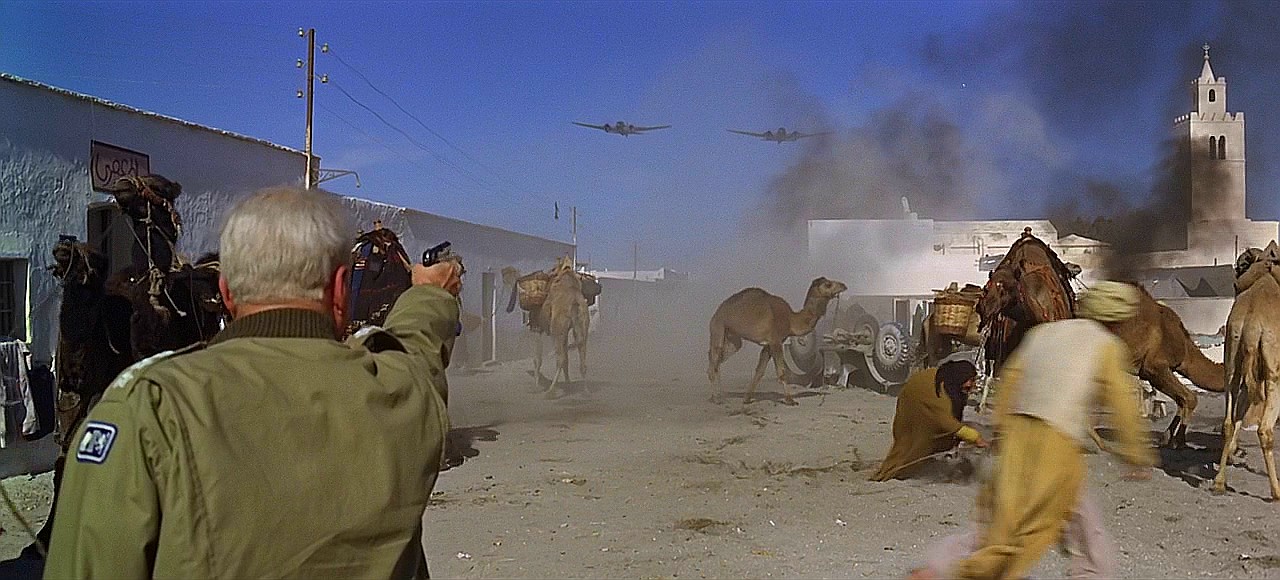
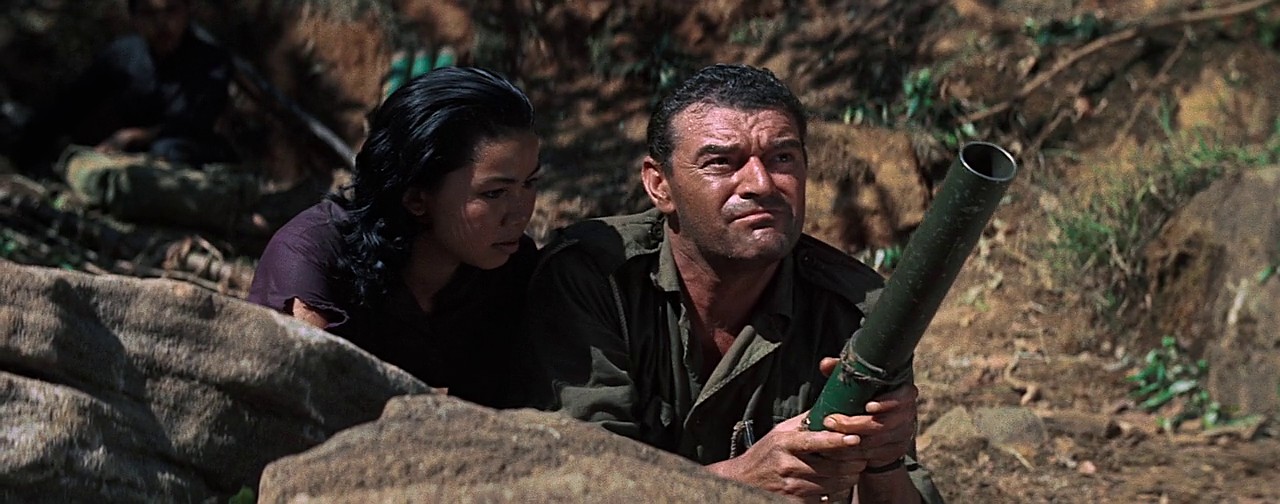
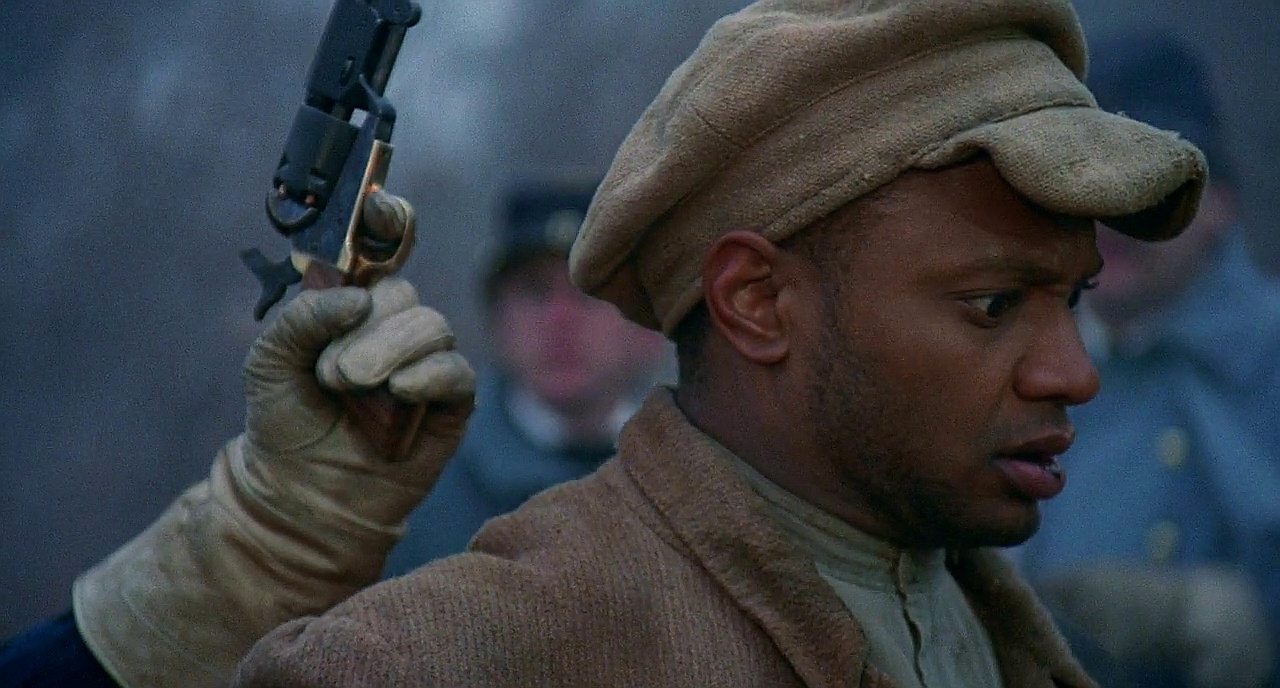
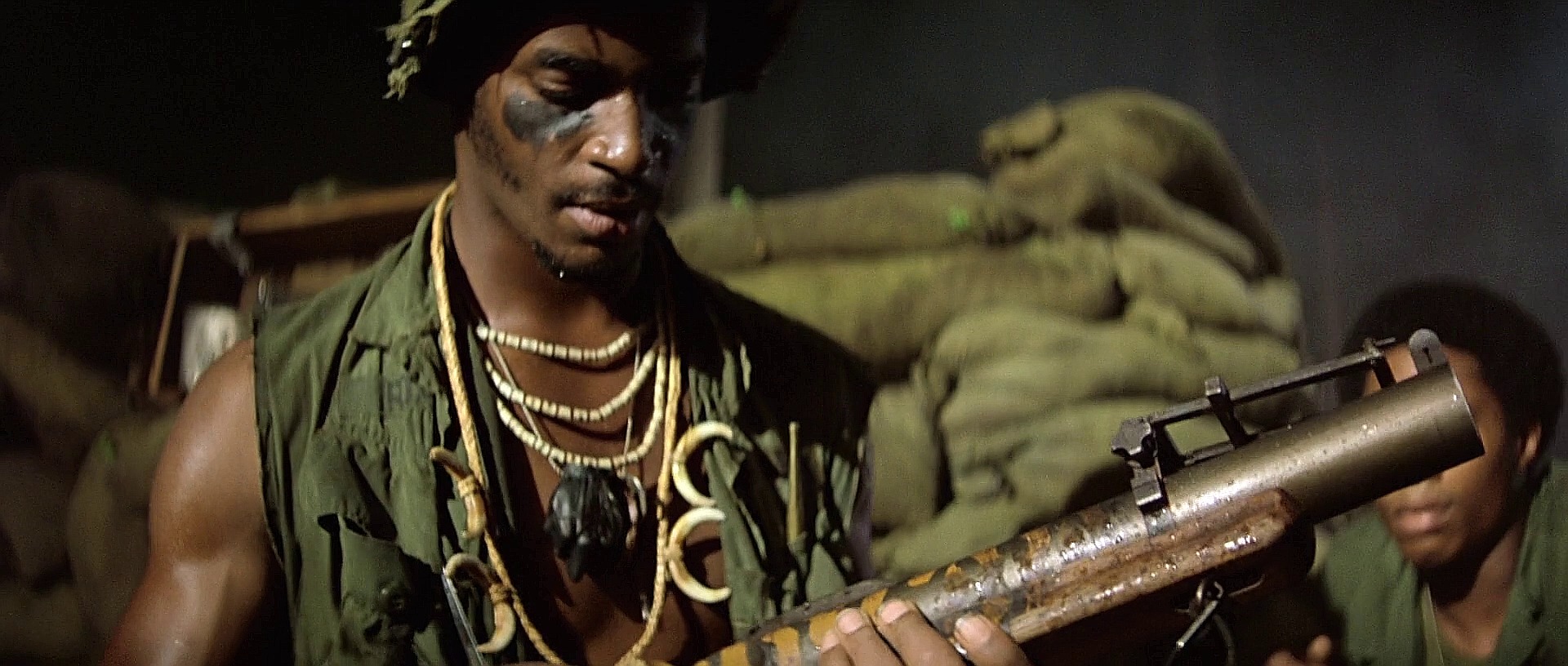
1.  What movie is the picture from?

2.  What movie is this quote from?

“A story. A man fires a rifle for many years. And he goes to war. And afterwards he comes home, and he sees that whatever else he may do with his life—build a house, love a woman, change his son's diaper—he will always remain a jarhead. And all the jarheads killing and dying, they will always be me. We are still in the desert.”


3.  What movie is this?

It is a WWII aviation picture based on the best seller and Pulitzer Prize winning novel by John Hersey.  It was filmed in England and directed by Philip Leacock.  Two RAF bases were used for the exterior shots.  The producers found three B-17s in America.  Famous aviation writer Martin Caidin helped restore them and flew one across the Atlantic to be used in the film.  He wrote a book about the experience entitled Everything But the Flak.  A stuntman died during a stunt when he drowned parachuting into the English Channel.  Warren Beatty was first choice for the lead role but he turned it down because he had recently caused the breakup of Robert Wagner and Natalie Wood.  Another leading man got the part and was his usual difficult self.  He did not get along with Shirley Anne Field and once pushed so hard she went over a sofa and cut her lip.  In a subsequent kissing scene, she bit him on his lip in revenge.  Director Leacock was lenient with star’s contractual stipulation that he avoid racing cars during the filming.  He proceeded to get into an accident, so those injuries from his fight with the Bolland character are not the result of make-up.

Wednesday, April 29, 2020

PICTURE, QUOTE, MOVIE #82


1.  What movie is the picture from?

2.  What movie is this quote from?

Pfc. Al Thomas: That’s war.
Pfc. Charlie Bass: What’s war?
Pfc. Al Thomas: Trading real estate for men.

3.  What movie is this?

The film is based on the book by the same name by William White.  The screenplay was written by Frank “Spig” Wead who war movie buffs will recognize as the hero of John Ford’s “Wings of Eagles” (“I’m gonna move that toe”) starring John Wayne.  Ford was good friends with the main character and spent five days with him during the Normandy invasion.  Ford had to step down from the director’s chair midway through shooting due to health reasons and surprisingly tapped Montgomery instead of Wayne to finish up.  In a side note, real-life nurse Beulah Greenwalt felt her portrayal “cheapened her character” and sued and won $290,000.  The movie was a hit and was praised for its authenticity.  It was nominated for Best Visual Effects and Best Sound Recording.

Saturday, April 11, 2020

PICTURE, QUOTE, MOVIE QUIZ #81


1.  What movie is the picture from?

2.  What movie is the quote from?

“We’re all very different people. We’re not Watusi. We’re not Spartans. We’re Americans, with a capital ‘A.’ You know what that means? Do ya? That means that our forefathers were kicked out of every decent country in the world. We are the wretched refuse. We’re the underdog. We’re mutts! Here’s proof: his nose is cold! But there’s no animal that’s more faithful, that’s more loyal, more loveable than the mutt. Who saw ‘Old Yeller?’ Who cried when Old Yeller got shot at the end? I cried my eyes out. So we’re all dogfaces, we’re all very, very different, but there is one thing that we all have in common: we were all stupid enough to enlist in the Army.” 

3.  What movie is this?

  It is based on the famous book by a participant in the event.  He flew the “Ruptured Duck”.    The training phase of movie was filmed at Elgin Field where the actual training took place.    Screenwriter Dalton Trumbo made several flights to get a feel for air combat.  The movie also makes good use of newsreel footage.  There is even some actual footage from the event.  Participants served as consultants and the film was acknowledged as authentic by the group as a whole.  The film was awarded the Oscar for Special Effects and was nominated for Cinematography.

Sunday, March 29, 2020

PICTURE, QUOTE, MOVIE QUIZ #80


1.  What movie is the picture from?

2.  What movie is this quote from?

Shapiro:  Hey Schultz, sprechen Sie Deutsches?
Shapiro: Then droppen Sie dead!

3.  What movie is this?

The film is based on the acclaimed novel of the same name by Kenneth Roberts which was published in 1937.  The movie came out in 1940 and was one of the first big Technicolar movies.  It was nominated for an Oscar for cinematography.  Director King Vidor was one of the best directors of the time and star Spencer Tracy was as big as they got.  The movie was meant to be the first of two parts with the sequel covering the actual attempt to locate the titled path.  The movie depicts the St. Francis Raid.

Saturday, October 12, 2019

PICTURE, QUOTE, MOVIE QUIZ #69


1.  What movie is the picture from?

2.  What movie is this quote from?

People on the street corners, they looked at this picture and they took hope. Don't ask me why, I think it's a crappy picture, myself. You can't even see your faces! But it said we can win this war, are winning this war, we just need you to dig a little deeper. They want to give us that money. No, they want to give it to YOU.


3.  What movie is this?


It was the first important major motion picture about the Vietnam War.   Its success marked the rise of the subgenre that has produced some great war movies.  The director also co-wrote the screenplay and marked the peak of his career.  It was downhill after this.  He battled the suits to get his vision on the screen and succeeded for the most part.  The movie was a big critical hit and did well at the box office.  It was awarded Oscars for Best Picture, Director, Supporting Actor, Editing, and Sound.  It was nominated for Actor,  Supporting Actress, Cinematography, and Original Screenplay.  It is ranked #53 on the most recent AFI’s greatest movies list.  The film was Meryl Streep’s first big movie role and ironically, John Cazales’ last film.  He was dying from cancer and passed before he saw the finished product.

Thursday, September 26, 2019

PICTURE, QUOTE, MOVIE #68


1.  What movie are the three pictures from?

2.  What movie is this quote from?

"It's Hebrew, it's from the Talmud. It says, 'Whoever saves one life, saves the world entire.'"


3.  What movie is this?

 It is based on the bestseller by James Bradley and Ron Powers.  It is the rare Hollywood production that not only came in under cost ($55 million compared to a budget of $80 million), but was filmed in almost half the time scheduled.  Seventy six year old directors apparently don’t like to waste time or money.  The beach scenes were filmed in Iceland.  The film did well with critics, but performed weakly at the box office.  It is a companion piece with another movie made by the same director about the same battle. It was nominated for Academy Awards for  Sound and Sound Editing.


Saturday, August 24, 2019

PICTURE, QUOTE, MOVIE #66


1.  What movie is the picture from?

2.  What movie is this quote from?

This isn't a hospital! It's an insane asylum, and it's your fault!


3.  What movie is this?


It had one of the most famous productions in cinema history.  The director insisted on filming half the movie on location in Uganda and the Congo.  The production was beset by climate, critters, and diseases.  Virtually the entire cast and crew suffered with the notable exceptions of the director and the male star  who inoculated themselves with copious amounts of alcohol.  The teetotaler female lead later wrote of enjoying the experience, but had to overcome dysentery, drunken pranks from the other two, and the director’s unique directing style.  (Clint Eastwood later made a film about the production entitled “White Hunter Black Heart”.)  The movie was a big hit with audiences and critics.  It turned out the suits that dismissed an action / romance about an older couple would be icky were wrong.  The male lead won his only Oscar and the film was nominated for Director, Adapted Screenplay, and Actress.  IN the most recent AFI ranking of the best movies it placed #65.


Monday, July 15, 2019

PICTURE, QUOTE, MOVIE QUIZ #63


1.  What movie is the picture from?

2.  What movie is this quote from?

I didn't see much of the war... I was stationed in a repair shop below decks. Oh, I was in plenty of battles, but I never saw a Jap or heard a shell coming at me. When we were sunk, all I know is there was a lot of fire and explosions. And I was ordered topsides and overboard. And I was burned. When I came to, I was on a cruiser. My hands were off. After that, I had it easy... That's what I said. They took care of me fine. They trained me to use these things. I can dial telephones, I can drive a car, I can even put nickels in the jukebox. I'm all right, but... well, you see, I've got a girl.


3.  What movie is this? 


It is a German/Italian/Austrian production directed by Oliver Hirschbiegel.  It covers the last ten days of the main character's life.  It is based partly on historian Traudl Junge’s Until the Final Hour and several other memoirs.  It was nominated for Best Foreign Film.  Bruno Ganz studied Parkinson’s patients to get the main character's  twitching down.  The opening and closing interviews with Junge are from the documentary “Blind Spot”.


Thursday, May 30, 2019

PICTURE, QUOTE, MOVIE #60


1.  What movie is the picture from?

2.  What movie is this quote from?

The new kids that come up, that's what gets you. The new ones, some of them have just got a little fuzz on their faces. They don't know what its all about. Scared to death. You know, Ernie, I know it ain't my fault that they get killed, but it makes me feel like a murderer. I hate to look at 'em, the new kids. 

3.  What movie is this?

It was a remake of a 1930 film and even uses a lot of the aerial footage from that film.  The plot is from the short story “The Flight Commander” by John Monk Saunders (who also wrote the “Wings” story).  It was the third teaming of Basil Rathbone and Errol Flynn and once again they play antagonists.  Rathbone was a decorated WWI veteran and wore his decorations in the movie.  The film used 17 vintage aircraft (and 15 crashed during production).

Saturday, May 18, 2019

PICTURE, QUOTE, MOVIE QUIZ #59


1.  What movie is the picture from?

2.  What movie is this quote from?

Everybody does his duty at Zinderneuf, dead or alive! We'll make those Arabs think we've got a thousand men. 

3. What movie is this? 


 It was directed by Lewis Milestone of “All Quiet…” fame.  He also directed another “Forgotten War” film entitled “Steel Helmet”.  It was his last war movie.  It was released in 1959.  The screenplay is based on the nonfiction by the famous war author S.L.A. Marshall (SLAM).  The main character, Joe Clemons, acted as technical adviser.  Clemons was awarded the Distinguished Service Cross for the battle.  The movie is populated by many familiar actors from the 1960s and includes a small role by Barry McGuire of future “Eve of Destruction” one hit wonder fame.

Thursday, April 25, 2019

PICTURE, QUOTE, MOVIE #57


1.  What movie is the picture from?

2.  What movie is this quote from?

Labiche! Here's your prize, Labiche. Some of the greatest paintings in the world. Does it please you, Labiche? Give you a sense of excitement in just being near them? A painting means as much to you as a string of pearls to an ape. You won by sheer luck: you stopped me without knowing what you were doing, or why. You are nothing, Labiche -- a lump of flesh. The paintings are mine; they always will be; beauty belongs to the man who can appreciate it! They will always belong to me or to a man like me. Now, this minute, you couldn't tell me why you did what you did.

3.  What movie is this?

  It is based on the book by Howard Fast.  The star was fascinated by the novel and wanted to ease his disappointment over losing the starring role in “Ben Hur”.  When Fast proved unable to make the jump to screenwriter, noted commie Dalton Trumbo was brought in.  This was a daring move as Trumbo was, at that time, blacklisted as a member of the Hollywood Ten.  He had run afoul of the House Unamerican Activities Committee during McCarthyism and was writing screenplays under pseudonyms.  After completion of the film, the star insisted Trumbo be credited by his real name – a move that ended the blacklisting movement. Kudos!   The first director (Anthony Mann) did not meet the stars’ standards so he was replaced.  It was not exactly smooth sailing after the change.  The massive egos of the stars made each scene difficult.  The director looked back on the film with far from fond memories.  Based on his recollections, you would think the movie was terrible.  He wanted the movie to be more gritty and less a hagiography.  He wanted more battle scenes, but test audiences reacted negatively (boo!).  The movie was the most expensive to date ($12 million). 

Monday, April 15, 2019

PICTURE, QUOTE, MOVIE QUIZ #56


1.  What movie is the picture from?

2.  What movie is this quote from?

We're responsible for the protection of 100,000 square miles of territory. And against us are ranged thousands of the finest light cavalry on earth. I found that out this morning. It's a big job, gentlemen... and it's gonna need a fine regiment. Our job is to make this the finest regiment that the United States ever saw. I needn't tell most of you that a regiment is something more than just six hundred disciplined fighting men. Men die. But a regiment lives on; because a regiment has an immortal soul of its own. Well, the way to begin is to find it. To find something that belongs to us alone. Something to give us that pride in ourselves that'll make men endure - and, if necessary, die... with their boots on. As for the rest it's easy: since it's no more than hard work, hard riding and hard fighting. Thank you, gentlemen, I know I can count on you.

3.  What movie is this?

It is Buster Keaton’s masterpiece, although it took a while for the critics and public to realize that.  The movie was a commercial and critical bomb when it was released in 1926.  Thankfully Keaton lived to see the revival of its reputation in the 1960s.  Recently the American Film Institute ranked it the 18th greatest film and the 18th greatest comedy (don’t ask).  This must have been heartening since he co-wrote, co-directed, and co-produced it.    He based it on The Great Locomotive Chase by William Pittenger.  Keaton used 500 Ohio National Guardsmen for the battle scene and even had them switch uniforms to give the armies more size.

Sunday, April 7, 2019

PICTURE, MOVIE, QUOTE QUIZ #55


1.  What movie is the picture from?

2.  What movie is this quote from?

Saving that Kraut was the final joke of the whole goddamned war. I mean we had more in common with him than all our replacements who got killed whose names we never even knew. We'd all made it through we were alive. I'm gonna dedicate my book to those who shot but didn't get shot, because it's about survivors. And surviving is the only glory in war, if you know what I mean.

3.  What movie is this?

It is a WWII aerial combat war movie released in 1930 and memorably directed by Howard Hughes in his debut.  The production is legendary.  The movie was intended to be Hughes’ answer to “Wings”, but the advent of “talkies” prompted him to convert it to sound at great additional cost.  At around $4 million, it was the most expensive motion picture released to that date.  The switch to sound also necessitated the dumping of the thickly accented Greta Nissan with Jean Harlow.  Hughes insisted on going big so the famous dogfight scene used 70 pilots (many of them WWI vets) and many actual WWI biplanes.  Three of the pilots died in filming and Hughes himself crashed and broke some bones filming a sequence none of the pilots would agree to attempt.  The movie had one of the grandest openings ever at Grauman’s Theater and was a hit although it had difficulty recouping the cost.

Tuesday, March 19, 2019

PICTURE, QUOTE, MOVIE #53


1.  What movie is the picture from?

2.  What movie is the quote from?

Now listen to me you beknighted muckers. We're going to teach you soldiering. The world's noblest profession. When we're done with you, you'll be able to slaughter your enemies like civilized men.  

3.  What movie is this?

It was released in 1945 and is based on the columns of war correspondent Ernie Pyle.  It was directed by William Wellman who had been a pilot in the Lafayette Escadrille in WWI and at first refused  to do a movie about the despised infantry until he met Pyle and saw the adoration the infantry had for him.  Once on board, Wellman insisted on realism and convinced the Army to loan him 150 soldiers training near the production.  The movie also used several actual war correspondents.  So the actors would not look foolish alongside real soldiers, Wellman put them through the first actors’ boot camp.  Sadly, Pyle was killed before the opening of the movie and many of the real soldiers were killed on Okinawa.  For this reason, Wellman never watched the movie after its release.  The movie was a hit and is considered one of the most realistic war films.  It was nominated for four Oscars (Supporting Actor - Mitchum, Song, Score, and Screenplay).

Wednesday, February 27, 2019

PICTURE, QUOTE, MOVIE #52


1.  What movie is the picture from?

2.  What movie is this quote from?

Man, that's the first time I ever seen a Texan beat himself to the draw.

3.  What movie is this?

It began as a TV miniseries produced by Ted Turner.  The finished product pleased the millionaire so much that he decided to release it to movie theaters.  It may be the longest American movie (254 minutes) ever to appear in theaters.  It appeared in a limited number of cinemas and did not recoup its cost, but the publicity was golden and when it was first shown on Turner Broadcasting Network, it was the most viewed basic cable program up to that time.  The movie is based on the Pulitzer Prize winning novel Killer Angels by Michael Shaara.  The title was changed to the battle name after it was discovered that potential viewers thought the original title indicated a motorcycle gang movie.  The National Park Service allowed filming on site, although much of the action was lensed at a nearby farm.    The film made use of over 5,000 reenactors.  There are also cameos by Ted Turner and Ken Burns.  Turner is killed during Pickett’s Charge (rumor has it by Jane Fonda masquerading as a Union soldier).  Burns plays an aide to Hancock.

Sunday, February 17, 2019

PICTURE, QUOTE, MOVIE #51


1.  What movie is the picture from?

2.  What movie is this quote from?

A man's hands never seem to get clean, even if he don't touch nothing. They just stay dirty. Sort of a special kind of dirt. G.I. dirt. I bet one of those criminologists could take a sample out of a guy's fingernail, put it under a microscope, and say, "That's G.I. dirt." The dirt's always the same color, no matter what country you're fighting in.

3.  What movie is this?


It is a combination war movie / propaganda piece.  It was meant to be one part of an eight part series on the Revolution of 1905.  It turned out to be the only one in the series that ended up being made.  It did not have the intended inspirational effect as it was not warmly embraced by the Russian people.  It actually lost the box office to “Robin Hood” the opening week.  It was a big hit outside Russia, however.  The movie is justifiably famous and is considered Sergei Einstein’s masterpiece.  It has been oft-copied by other directors.  The film is divided into five parts: (1) “Men and Maggots”  (2)  “Drama on Deck”  (3)  “A Dead Man Calls for Justice”  (4)  “The Odessa Staircase”  (5)  “The Rendezvous with a  Squadron”.  Interestingly, the staircase scene was not planned as part of the movie and was added during production.

Wednesday, January 23, 2019

PICTURE, QUOTE, MOVIE #50


1.  What movie is the picture from?

2.  What movie is this quote from?

Raymond Shaw is the kindest, bravest, warmest, most wonderful human being I've ever known in my life.  

3.  What movie is this?


It is a remake of the 1924 silent classic, but while the original was loosely based on the novel by Rafael Sabatini, the 1940 version was inspired by the adventures of Sir Francis Drake.  The film marked the tenth pairing of Errol Flynn and director Michael Curtiz (they made a total of twelve including “Captain Blood” and “The Adventures of Robin Hood”).  The two brought out the best in each other although they did not like each other.  The movie had a huge budget of $1.75 million and was a box office success.  Part of the money went into building a sound stage that had a water tank that could hold two full-size ships (which were built for the film).  The movie was nominated for four Academy Awards:  Art Direction, Music, Sound Recording, and Special Effects.  In an interesting decision, it was filmed in black and white whereas the earlier “Adventures of Robin Hood” was in Technicolor.

Friday, January 4, 2019

PICTURE, MOVIE, QUOTE #48


1.  What movie is the picture from?

2.  What movie is this?


It is a Hungarian film directed by Istvan Szabo.  It was the second in a trilogy and came after the acclaimed “Mephisto”.  It is based on a British play by John Osborne entitled “A Patriot For Me”.  The movie won the Jury Prize at Cannes, was chosen Best Foreign Film at the BAFTAs, and was nominated for Best Foreign Film at the Oscars.  The movie was hardly shown in America and made just $2,357 in one week at one theater.

3.  What movie is this quote from?

Shoot straight, you bastards. - Don't make a mess of it!

Friday, December 21, 2018

PICTURE, QUOTE, MOVIE #46


1.  What movie is the picture from?

2.  What movie is this quote from?

No! You stay alive! If they don't kill you, they'll take you north up to the Huron lands. Submit, do you hear? You're strong! You survive! You stay alive, no matter what occurs! I will find you! No matter how long it takes, no matter how far. I will find you!

3.  What movie is this?

It is a movie about the Irish Republican Army set in Dublin in 1922.  It won John Ford his first Oscar for Best Director.  It was based on the novel by Liam O’Flaherty.  It was released in 1935 and although not a box office hit, it was critically acclaimed.  It was nominated for Best Picture (losing to “Mutiny on the Bounty”).  It won for Actor (Victor McLaglen), Screenplay (Dudley Nichols), Score (Max Steiner), and Director.  The studio did not want to make the picture because of its depressing nature.  When the execs were convinced that Ford was worth the risk, they insisted that he stay under a $250,000 budget.  Ford gave up his salary, shot the film in 17 days and brought it in around $243,000. 


Monday, December 10, 2018

PICTURE, QUOTE, MOVIE #46


1.  What movie is the picture from?

2.  What movie is this quote from?

Hello, hello, York? I want you to get twenty-four B-25's and volunteer crews down to Eglin Field as soon as you can. The job'll take 'em out of the country for about three months. Tell 'em it's a secret mission. They won't know where they're going until they get there. Thats's right, volunteers. tell them they're not to talk to anybody. That's an order!

3. What movie is this?

 This is the 1939 version of the oft-made action/adventure film.  Obviously it is considered to be best version.  It is based on the novel by Percival Christopher Wren.  The book was aimed at the teenage boy in all of us and the movie puts this to film.  It was one of the first movies to link war and adventure.  But in an entertaining twist, the book and film add a dash of mystery.  It explores the themes of loyalty, duty, and honor.  The movie was a big hit and helped launch the subgenre of the French Foreign Legion film.  It is unique in that it features four actors that would subsequently win Oscars as Best Actors or Actresses (Cooper, Milland, Crawford, and Hayward).  Interestingly, considering that line-up, the acting honors go to Brian Donlevy as the sadistic Markoff.  He was nominated for Best Supporting Actor.