Showing posts with label war movie leadership watchalong. Show all posts
Monday, September 2, 2013
AUGUST WAR MOVIE LEADERSHIP WATCHALONG: Lawrence of Arabia
1. What characteristics of a great military leader did Lawrence have?
Based on the movie, the most obvious characteristic is inspirational motivation. The man oozed charisma. His magnetic personality even brought disparate tribes under his sway. He also showed a lot of moral courage. This is the ability to send men to their deaths for the greater cause, he exemplified this when he executed his friend in order to prevent a blood feud and the disintegration of the alliance.
Although it's not always a good idea for a leader to do this, Lawrence certainly believed in leading by example. He was in the front of the raids on the railway. This was crucial in gaining the respect of his Arab warriors. His willingness to endure what his men endured has the same effect. In fact, Lawrence went beyond anything his men had to endure.
2. What were his weaknesses as a commander?
Lawrence got too personally involved in his cause. He was torn between his home country and his dream of a new Arab nation. This led to tremendous feelings of guilt when it turned out the dream was quashed by Britain's self-interest.
Lawrence is reminiscent of Kurtz in "Apocalypse Now" in that he went native and it had a destabilizing effect on him. He does not go insane like Kurtz did, but instead he is distressed by being caught between two worlds. In a sense, Lawrence showed moral courage in his command decisions, but not personally. He never fully committed to either world.
September: Letters from Iwo Jima
What leadership characteristics did General Kuribayashi exhibit?
Wednesday, May 29, 2013
WAR MOVIE LEADERSHIP: May
1. Compare the leadership styles of Barnes and
Elias
Barnes basically runs the platoon through sheer force of will. Technically Lt. Wolfe is in charge, but Barnes gives the orders. Although it is not clear, Barnes must be a veteran of several tours. He is a survivor (it is mentioned that he has been wounded seven times). This survivability has created an aura around him that gives him sway over some of the men. They follow him because he is a winner and realizes the rules of war are made to be broken. The unit members that disagree with his "my way or the highway" style are cowed by the force of his personality. Barnes taps into the more primitive natures of men under extreme stress and channels this.
Sgt. Elias is the conscience of the platoon. Like Barnes, he is obviously a veteran of several tours. His experience has taught him different than Barnes. He is empathetic toward the men. He wants them to survive, but with their humanity intact. Elias puts a lot of emphasis in teaching the new guys the tricks of surviving. He cares about the "cherries" when most of the other men do not want to bond with the new guys because they may not be around for very long.
2. How does each represent a different aspect of the
war?
The movie is set in 1967 which is about a year before the war began to turn, but far enough in for the nature of the war to be locked in. Barnes and Elias represent the two forks in the road that the soldiers faced. Barnes represents the attitude that although the war was not going well, more effort would result in the fore-ordained American victory. Since the war was different from previous American wars and thus frustrating, Barnes represents the school of thought that conventional rules should not apply. The end justifies the means.
Elias represents the belief that the war is probably unwinnable and to win by losing your humanity and core calues is not acceptable. He mentions that America was due to get its ass kicked. He is not a pacifist and is, in fact, a very good warrior. But he is not willing to break the established rules of warfare just to "win".
The crucial scene depicting these differences is the village scene. If you watch carefully, Barnes is right. The villagers are obviously aiding the enemy. Forcing the village elder to talk will aid the war effort and possibly save American lives. Barnes obviously goes too far, but instead of shooting the wife, if he had put a gun to her head, would that have been justified? Suppose it was a terrorist situation today. On the other hand, Elias takes the approach that there are rules that can not be broken no matter what.
The movie is set in 1967 which is about a year before the war began to turn, but far enough in for the nature of the war to be locked in. Barnes and Elias represent the two forks in the road that the soldiers faced. Barnes represents the attitude that although the war was not going well, more effort would result in the fore-ordained American victory. Since the war was different from previous American wars and thus frustrating, Barnes represents the school of thought that conventional rules should not apply. The end justifies the means.
Elias represents the belief that the war is probably unwinnable and to win by losing your humanity and core calues is not acceptable. He mentions that America was due to get its ass kicked. He is not a pacifist and is, in fact, a very good warrior. But he is not willing to break the established rules of warfare just to "win".
The crucial scene depicting these differences is the village scene. If you watch carefully, Barnes is right. The villagers are obviously aiding the enemy. Forcing the village elder to talk will aid the war effort and possibly save American lives. Barnes obviously goes too far, but instead of shooting the wife, if he had put a gun to her head, would that have been justified? Suppose it was a terrorist situation today. On the other hand, Elias takes the approach that there are rules that can not be broken no matter what.
the village scene
PLEASE FEEL FREE TO COMMENT BELOW.
JUNE'S WATCHALONG: Patton and The Desert Fox
1. Compare the leadership styles of Patton and Rommel
2. Who was the better leader based on the movies?
Friday, May 3, 2013
APRIL WAR MOVIE LEADERSHIP WATCHALONG: Waterloo
“Waterloo”
(1970) was an epic rendering of the battle by acclaimed Soviet director Sergei
Bondarchuk (“War and Peace”). The movie
covers the Hundred Days, but concentrates on the climactic battle. The film gives equal treatment to Napoleon
(Rod Steiger) and Wellington (Chrisopher Plummer).
1. Compare the leadership styles of Napoleon and
Wellington
Napoleon is depicted as using his
charisma to get and retain loyalty from his soldiers. He has a great acting ability and a flare for
the dramatic. When he takes leave of the
Old Guard before leaving for exile on Elba, he bids adieu by saying “With this
kiss remember me. Good bye my soldiers. Good bye my sons. Good bye my children”. When his path is blocked by Gen. Ney’s force
that has been sent to arrest him as he returns for the Hundred Days, he
advances alone and opens his coat. “If
you want to kill your emperor, here I am.”
Napoleon is forgiving of the
generals who had switched sides when he was forced to abdicate. This is particularly true of him putting Ney
in a command position after he had pledged to bring Napoleon to King Louis XVIII
in chains. He takes advice from his
subordinates. For instance, he postpones
the assault due to concerns from his artillery commander about the rain-soaked
ground. He delegates authority. He assigns Grouchy to tail Bloucher and keep
him from the Waterloo battlefield. These
leadership traits are going to haunt him in the battle.
Wellington is depicted as cool and
calm even in a storm (which there literally is when word arrives at the ball
that Napoleon is on the march). He is
unflappable. This is clear when he does
not react to the death and destruction around him. More than Napoleon, he believes that soldiers
need to see their leaders facing the same dangers as themselves. The movie reenacts the famous moment when
Wellington’s subordinate loses his leg and Wellington matches his stoical
reaction of “By God, sir, I’ve lost my leg” with “My God, sir, so you have.”
Two leadership traits the film
features are Wellington’s vaunted feel for the terrain. His reverse slope strategy is
represented. He also keeps his plans
close to the vest. When asked by his
second in command what his plans are, Wellington responds “to beat the French”. The movie also throws in some references to
Wellington’s upper class benevolent snobbishness towards the “scum” that were
his soldiers.
2. What are Napoleon’s strengths and weaknesses
as shown in the movie?
Napoleon has a brilliant
mind. One scene has him dictating
various letters all at the same time.
The speed of his movement is alluded to in the movie, but we get little
impression of that great strength. In fact,
the movie does not catch Napoleon at his best.
The best that can be said is that it clearly shows the strength of his
personality.
What could be considered strengths
actually backfire on Napoleon at Waterloo.
Taking advice from his subordinates results in the disastrous decision
to postpone the start of the battle. Giving
his commanders responsibility leads to Grouchy’s incompetent tracking of
Grouchy and Ney’s premature cavalry assault.
Conversely, Wellington’s refusal to share his plans does not bite him in
the ass.
Napoleon is overconfident and
disrespectful of Wellington and the British army. His theatricality that had served him well
before comes off as unhinged emotionalism at Waterloo. The movie does explain some of his behavior
as the result of unspecified health problems.
We need a good movie about Austerlitz to show us the real leadership
qualities of Napoleon.
What do you think?
MAY
WATCHALONG: Platoon
1. Compare
the leadership styles of Barnes and Elias
2. How
does each represent a different aspect of the war?
Wednesday, April 3, 2013
MARCH WAR MOVIE LEADERSHIP WATCHALONG: 12 O'Clock High
1. Was Maj. Gen.
Pritchard right to relieve Davenport?
Pritchard feels that Davenport is a "first rate guy" and respects him, but after Savage puts a bug in his ear and he goes to observe Davenport, he determines that he "overidentifies" with his men. The last straw is Davenport's refusal to can the navigator that caused the unit to be late on target which resulted in heavy losses. Davenport does the right thing in assuming responsibility, but Pritchard needs a tougher commander apparently.
I personally think the decision was premature based on the facts presented to the general. Were there a surplus of good commanders at the time to where you could remove someone as good as Davenport? How about a forced leave or at least a talk about tough love? With that said, once the movie has Savage replace Davenport, it reveals that the group was poorly disciplined. Now that would have been a good reason to remove him.
One other thing to ponder? Suppose Davenport had made the decision to go on to the secondary target because he was three minutes late. Would he not have been criticized for not giving the "maximum effort"? Damned if you do and damned if you don't.
2. Describe Savage's leadership style and philosophy
Savage believes in tough love. His arrival is similar to Patton's arrival at II Corps. He accuses Gately of cowardice and puts him in command of The Leper Colony. He meets the crews and proclaims that it is back to basics. He tells them that they need to stop feeling sorry for themselves. They also need to stop thinking about the future. Consider yourself already dead. (The same philosophy as Speirs in "Band of Brothers"!) His whole plan is to build unit pride by being successful on their missions.
3. Was Savage right in how he handled the unit?
Yes. If the "player's coach" is not successful, try the strict disciplinarian and vice versa. If you take the hard ass approach like Savage, lighten up only after you have gained respect. He was right that officers should not be too close to their men. A commander must have the moral courage to accept losses for the greater cause. Of course, moral courage could lead to a mental breakdown.
Pritchard feels that Davenport is a "first rate guy" and respects him, but after Savage puts a bug in his ear and he goes to observe Davenport, he determines that he "overidentifies" with his men. The last straw is Davenport's refusal to can the navigator that caused the unit to be late on target which resulted in heavy losses. Davenport does the right thing in assuming responsibility, but Pritchard needs a tougher commander apparently.
I personally think the decision was premature based on the facts presented to the general. Were there a surplus of good commanders at the time to where you could remove someone as good as Davenport? How about a forced leave or at least a talk about tough love? With that said, once the movie has Savage replace Davenport, it reveals that the group was poorly disciplined. Now that would have been a good reason to remove him.
One other thing to ponder? Suppose Davenport had made the decision to go on to the secondary target because he was three minutes late. Would he not have been criticized for not giving the "maximum effort"? Damned if you do and damned if you don't.
2. Describe Savage's leadership style and philosophy
Savage believes in tough love. His arrival is similar to Patton's arrival at II Corps. He accuses Gately of cowardice and puts him in command of The Leper Colony. He meets the crews and proclaims that it is back to basics. He tells them that they need to stop feeling sorry for themselves. They also need to stop thinking about the future. Consider yourself already dead. (The same philosophy as Speirs in "Band of Brothers"!) His whole plan is to build unit pride by being successful on their missions.
3. Was Savage right in how he handled the unit?
Yes. If the "player's coach" is not successful, try the strict disciplinarian and vice versa. If you take the hard ass approach like Savage, lighten up only after you have gained respect. He was right that officers should not be too close to their men. A commander must have the moral courage to accept losses for the greater cause. Of course, moral courage could lead to a mental breakdown.
"You're all ready dead"
Check out my review at: 12 O'Clock High
APRIL WATCHALONG: Waterloo
1. Compare the leadership styles of Napoleon and Wellington
2. What strengthes and weaknesses of Napoleon are depicted in the movie?
Part 1
Saturday, February 9, 2013
WATCHALONG and BEST OF 2012
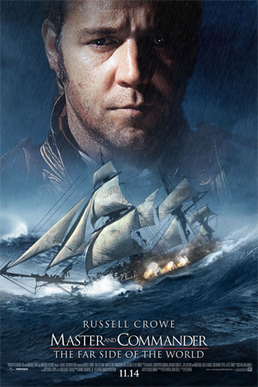
Our War Movie Leadership Watchalong for February is "Master and Commander". Here are the questions to be considered and discussed:
1. How would you describe Aubrey's leadership style?
2. Is Aubrey motivated more by pride or duty?
3. Contrast the philosophies of Aubrey and Maturin? Who is right?
Well another
year has passed and I have to admit it was not a great year for war movies at
my house. When I looked back at my list
of the Best and Worst of 2011, I was envious of that year. I saw some truly wonderful movies. Unfortunately, although I watched 80 war
movies this past year, the quality was much less. Plus I had to watch a lot of movies I had
already seen as I worked my way to the top of the 100 Greatest list. No movie came close to the amazing “Waltz With Bashir”. Don’t get me wrong, I
still love doing this blog and will continue my journey, but it just was a blah
year for war movies. Here’s hoping 2013
will be better. And it will be because I
plan to watch more movies that have the chance to wow me. By the way, please send me suggestions. What are your “wow” movies?
Last year I had limited my
choices to movies I had not seen in five years.
This year I have decided to waive that rule. Even if I had seen some of them before, it
was not with a critical eye. Plus I
could not get a decent list if I limited it.
Here we go:
10. The Lost Battalion – although made for TV,
the best WWI movie in years; accurately
tells a story that needed revival;
graphically realistic battle scenes
9. Enemy at the Gates - nicely builds on the seed of a true
story; a war romance for guys; well-acted;
what modern war movies for the general public need to be like
8. Spartacus -
a spectacular epic that shames wannabes like “Braveheart”; everything is big – the acting, the sets, the
score; similar to “Enemy at the Gates”
because it fleshes out the facts into robust entertainment
7. Zulu -
a classic battle movie; great
acting; lots of action
6. Pork Chop Hill – very similar to “Zulu”;
another movie that brings attention to a battle that deserves it; both interesting studies in command
5. Kanal – remarkable Polish film that is set in
the Warsaw uprising; masterfully directed and lensed; one of the slimiest and
grimiest movies you will ever see
4. Tropic Thunder – a comedy for war movie
lovers because we get more jokes than the general public; scathingly satirical for intellectuals and
silly enough for average people; winner
of my March Madness tournament to determine the greatest war comedy
3. Downfall – a near perfect blend of accuracy
and entertainment; humanizes a monster
without being offensive; incredible indoor
and outdoor sets
2. Courage Under Fire - 2012’s “Three Kings” – a pop war movie that
is not ridiculous; multi-layered
examination of the fog of war, the effects of stress in combat, post-traumatic
stress disorder, dysfunctionality in a small unit; bravura acting; “A Few Good Men” with action
1. Schindler's List - I know it’s a boring choice, but a near
perfect movie; it meets all my
requirements to be a great war movie
1. admirably accurate 2.
tells a story that needs to be told
3. great in all the technical aspects
4. great acting 5.
highly entertaining; throw in
that it works for both males and females and it has pizazz (e.g., filmed in
black and white)
Now for the dogs:
5. Gods and Generals – how could this be
associated with the excellent “Gettysburg”?!;
some excellent battle scenes don’t make up for an offensively pro-South
and pro-slavery plot
4. Red Dawn (1984) – only foggy nostalgia by teenage boys who saw
it in theaters can explain this movie’s continued popularity; everything about it is ridiculous
3. The Boys in Company C – another movie with an
inexplicable following; has all the
weaknesses of “Red Dawn” with the added defect that it can be compared to many
very superior Vietnam war movies
2. To the Shores of Tripoli - there are many movies made during WWII that
are not overly patriotic or propagandistic – this is not one of them; terrible acting and a plot that makes no
sense; patriotic bull shit
1. Sabre Jet -
set in the Korean War and released in 1953; this movie actually was supported by the U.S.
Air Force; laughable clichés and abysmal
acting; treacly score; gun camera footage includes shooting down a
Stuka!
There you have them. Ten must-sees and five must-avoids. Enjoy all of them.
Wednesday, January 9, 2013
2013 WAR MOVIE LEADERSHIP WATCHALONG
I have
decided to lead my first watchalong in the year 2013. I have chosen the topic of war movies that have
something to say about leadership. There
are many good war movies that deal with this topic. We will do one (sometimes two) per month. I will pose a few general questions to focus
on when you view and then we will discuss at the end of the month. Everyone is welcome. Thanks to the gang at Armchair General Forums
for some excellent suggestions.
January
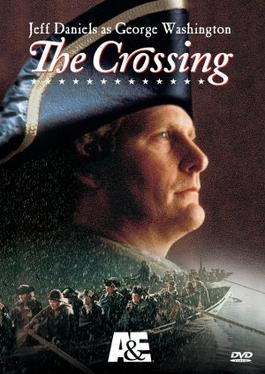
- The Crossing
February
- Master and Commander
March - 12 O’Clock High
April - Waterloo
May - Platoon
June - Patton and The Desert Fox
July - Pork Chop Hill and Zulu
August
- Lawrence of Arabia
September
- Letters from Iwo Jima
October
- Glory
November
- Operation Petticoat
December
- The Cockleshell Heroes
First up –
“The Crossing”. The true story of
Washington’s crossing of the Delaware and the Battle of Trenton.
1. What leadership traits does Washington
display?
2. How does Washington handle his subordinates?
3. How does he deal with adversity?
Below is the full movie!
Subscribe to:
Posts (Atom)