Showing posts with label March Madness. Show all posts
Monday, March 12, 2012
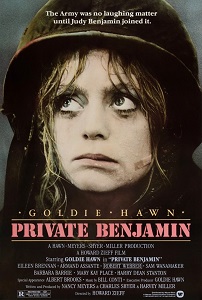
#7 - Good Morning, Vietnam vs. #10 - Private Benjamin
BACKGROUND:
“Good Morning, Vietnam” (1987) is the story of a military disc jockey named Adrian Cronauer (Robin Williams). He arrives in Vietnam and immediately rocks the boat at the stodgy radio station. He plays rock n’ roll and makes hilarious comments and does comedy routines between songs. Off base he falls in lust with a Vietnamese girl and befriends her brother who turns out to be a V.C. operative. The relationships with the girl and her brother take some rocky roads which parallel his troubles at work.
“Private Benjamin” is the story of a Jewish princess (Goldie Hawn) who enlists in the Army after her husband dies on their honeymoon. She goes through boot camp under the disapproving scowl of Sgt. Lewis (Eileen Brennan) and miraculously comes out an elite soldier stationed at NATO headquarters. She ends up quitting the Army to marry a suave European and the movie builds to their wedding.
FIRST HALF: ACTING
“Good Morning, Vietnam” is a star vehicle for Williams and he dominates. It is one of his best performances. Although he is playing Cronauer, he is really playing himself (especially during the radio show scenes). His dramatic work is impressive. He was nominated for Best Actor. The supporting cast is strong. The other DJs are distinctive and fleshed out. Bruno Kirby does an unenviable job as the painfully uptight, humor-challenged supervisor. J.T. Walsh is slimy as the villainous station manager.
“Private Benjamin” is a star vehicle for Goldie Hawn. She was nominated for Best Actress. It is probably her best movie. Her performance is not as assured as Williams’and she does not have to stretch as much. Brennan was nominated for Best Supporting Actress and is solid. The rest of the cast is weak, however. The stock squad of misfits is second-rate and make little impression. Amazingly, P.J. Soles (“Stripes”) is in this movie as the suck-up.
Halftime score: GMV – 43 PB - 36
SECOND HALF: HUMOR
“Good Morning, Vietnam” is a comedy/drama that blends manic schtick by Williams with a romance set in the decaying situation in the war. The drama parts are bridges between the stand-up comedy routines and are breathers from the humor. The movie is funniest when Williams is on the air, but laughs are dependent on how much you like Williams’ style. He appears to be ad-libbing a lot and the jokes are hit-or-miss. Of course, he is made out to be the most hilarious person in Vietnam. In the dramatic section, Williams’ throws in snark to keep the comedy flowing, but most of those scenes are pretty serious and sometimes depressing.
“Private Benjamin” is a service comedy in the first half and a tale of female empowerment in the second half. Hawn is very funny as the clueless rich girl who has to adjust to boot camp, but when she suddenly becomes a model soldier rather than fulfill her father’s condescending attitude, the laughs come to a screeching halt. The courtship with Henri (Armand Assante) is humorless and predictable. You wait for the inevitable ending while squirming.
Second half score: GMV – 38 PB – 32
ANALYSIS:
GMV is #100 on AFI’s list of greatest comedies and PB is #82. I can live with GMV being included in the top 100 because it has an interesting take on the Vietnam War circa 1965. It even presents a balanced view of the Viet Cong. The blending of comedy with romance and drama is more quality-consistent than PB. PB is very overrated. It starts strong, but wilts after that. The only laughs come from Hawn’s whiny reaction to boot camp. The romance with Assante is painfully unfunny. In fact, the second half ceases to be a war movie when Benjamin drops out of the Army and returns to her previous life (only now she is empowered!). GMV is funnier and a better movie.
FINAL SCORE: Good Morning, Vietnam – 81 Private Benjamin - 70
Saturday, April 9, 2011
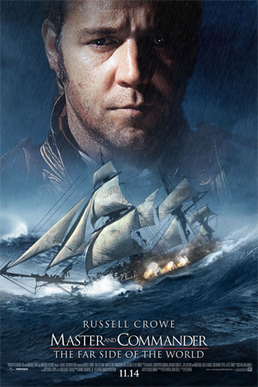
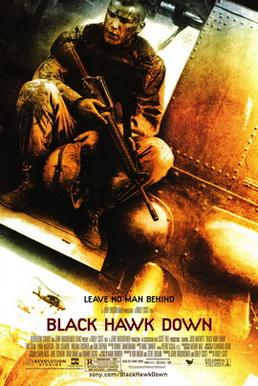
FINALS: Master and Commander (6) vs. Black Hawk Down (4)
MASTER BLACK HAWK
Acting 9 9
Realism 10 9
Accuracy 10 9
Entertainment Value 9 9
Character Development 9 7
Dialogue 9 9
Plausibility 8 10
Plot 9 9
Action 7 10
Sound and Visuals 10 9
Soldier Behavior 9 9
Educational Value 8 10
TOTALS 107 109
Congratulations to you “Black Hawk Down” fans. You really know your war movies.
SEMIFINAL: Master and Commander (6) vs. We Were Soldiers (7)
Score at the end of the first period: Soldiers - 9 Master – 7
SOUND AND VISUAL EFFECTS: Master won the Academy Awards for Best Cinematography and Sound Effects. It was nominated for Best Sound Mixing and Best Visual Effects. Sound designer Richard King and director Peter Weir went to great lengths to get it right. They went to a lot of trouble matching sounds mentioned in the Patrick O’Brien books with scenes in the movie. The visual effects were also outstanding. The ship battles, replete with flying splinters, are amazing. The storm scenes (this is one of the wettest movies ever made) make you very happy you are sitting in your recliner. Soldiers does not have the pedigree of Master, but it is competently done. Since it is a throwback to old school war pictures, it forgoes the bells and whistles of CGI. The helicopter scenes are well done as are the air support.
Halftime score: Master – 17 Soldiers – 16
SOLDIER BEHAVIOR: Master spends a lot of time below decks with the common tars of the British navy. Their behavior and banter is authentic. The movie also takes us into the world of the officer class and does a good job contrasting the differences between the sailors and the officers. The various activities on a wooden warship are accurately depicted. Special props for the subplot of the midshipman who is saddled with being the Jonah scapegoated for the ship's bad luck by the superstitious crew. Soldiers follows the 7th Cavalry through training into the big battle. We do not learn as much about the soldiers as we do in Vietnam War movies that are more small unit oriented (e.g. Platoon, Full Metal Jacket), but Soldiers also does not go over the top like them. It is after all a movie about a battle and mainly focuses on the two commanders – Moore and Nguyen.
Score at the end of three periods: Master – 26 Soldiers – 23
EDUCATIONAL VALUE: Master is not a true story, but as a tutorial on Napoleonic ship combat and life it cannot be topped. You learn about life above and below decks. It covers leadership and strategy and tactics. It also is excellent in giving the audience a feel for what it was like on a man-of-war during a storm or in battle. This is an area of history that has been woefully neglected up until recently with this movie and the Hornblower movies. Soldiers performs the service of teaching about our first battle in Vietnam – Ia Drang. Most people would not be familiar with this key historical event. The movie is very instructive about the battle and even gives insight into enemy strategy and tactics. It is a true story and faithful to the book. However, the educational value is diminished by the ridiculous Hollywood kickass ending and the omission of the aftermath of the battle which included the ambushing and annihilation of an American unit marching out of the combat zone.
FINAL SCORE: Master – 34 Soldiers – 31
Master battle scene
Soldiers battle scene
Thursday, April 7, 2011
SEMIFINAL: Black Hawk Down (4) vs. The Hurt Locker (1)
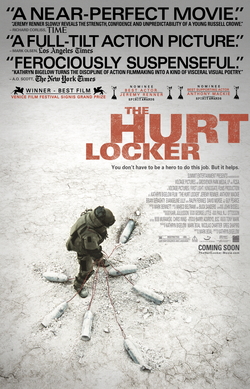
ACTION: “Black Hawk Down” is one of the most action-packed war movies you can find. Once the Battle of Mogadishu begins, there is hardly a dull moment. The fact that the Somalians were high on khat probably explains the intensity of their action. The movie is like watching the results of hitting a bee hive if the bees are on drugs. “The Hurt Locker” is more suspenseful than action-packed. The set pieces mostly involve men vs. inanimate objects (IEDs). Sadly, the bombs are not on khat. There is the sniper scene, but it is, after all, a sniper duel. Great scene, but not much action. If we accept suspense substituting for action, we can appreciate THL more.
Score at the end of the first period: BHD – 10 THL – 8
SOUND AND SPECIAL EFFECTS: BHD is a big budget movie by Ridley Scott who knows something about blockbusters. The helicopter ingress is an homage to “Apocalypse Now” with all the best sound effects available. The use of satellite imagery to bring variety to the views is well done. The shots of the Black Hawks going down are amazing. The movie won the Academy Award for Best Sound. It was nominated for Best Cinematography. THL had a much smaller budget, but the effects are still outstanding. The opening bomb explosion is jaw dropping. It won for Best Sound Editing and Best Sound Mixing. It was nominated for Best Cinematography. However, it is more character driven than effects-laden.
Half time score: BHD – 19 THL – 16
SOLDIER BEHAVIOR: BHD spends a good bit of time with the soldiers before the battle. The banter seems realistic. The emotions as they prepare for potential combat rings true. The chaos of urban combat is reflected in different coping mechanisms. Not everyone is Rambo. The role of peer pressure and comradeship in motivating American soldiers is clearly apparent. The film also does a great job depicting the natural tensions between different units. The Delta Force and Rangers have different philosophies and SOPs. This is reflected in the leadership conflicts between Steele and Fichtner. THL confines itself to a limited range of soldiers – bomb disposal techs. The main character is supposed to represent a typical maverick, adrenaline junky of a bomb disposer. His loose cannon behavior and disregard for common sense safety protocols makes his actions seem unrealistic. The other two members of the team are more believable. Mackie is justifiably incensed by James’ recklessness and even considers fragging him. Eldridge is appropriately confused by the power struggle going on between his superiors. This dysfunctional team is probably not typical. I hope.
Score at the end of three periods: BHD – 28 THL – 23
EDUCATIONAL VALUE: BHD tells the story of the Battle of Mogadishu. This battle was fought in Somalia which is in Africa. Strike one as far as American knowledge. It was part of a humanitarian effort involving the United Nations. Strike two. We lost. Strike three. This was a battle that deserved historical recognition. In particular, Shugart and Gordan (Medal of Honor recipients) deserved their portrayal. The movie is also outstanding as a lesson in what not to do in urban combat. THL gives the audience a look into the world of bomb disposal. These incredibly brave soldiers deserve recognition. The film does an excellent job depicting the situation in Iraq in the period after major combat operations ceased. You learn a lot about IEDs. However, as a tutorial on how bomb disposal works, it takes some liberties for character development.
FINAL SCORE: Black Hawk Down – 38 The Hurt Locker - 31
the sniper scene from BHD
the sniper scene from THL
Tuesday, April 5, 2011
QUARTERFINALS II
The Hurt Locker (1) vs. The Great Raid (14)
CHARACTER DEVELOPMENT: “The Hurt Locker” develops only three characters – the lone wolf Sgt. Will James, the by the book Sgt. J.T. Sanborn, and typical grunt Specialist Owen Eldridge. This trio is fleshed out over the course of the film. We know their attitudes and emotions. The key to the movie is the conflict between James and Sanborn, with Eldridge caught in the middle. “The Great Raid” has more characters to juggle because of the trio of story lines. The movie develops nurse/resistance member Margaret Utinsky, POW Joseph Fiennes, and mission leaders Henry Mucci and Robert Prince. The romance between Utinsky and Fiennes is thrown in and ill-fitting. Mucci is your typical gruff disciplinarian and Prince is the idealistic subordinate. Nothing special about them.
Score at the end of the first period: Hurt – 9 Raid – 7
DIALOGUE: Hurt won the Academy Award for Original Screenplay and deserved it. The dialogue is cracking. The dialogue between James and Sanborn seethes. The dialogue is sparse which is consistent with soldier talk. Raid is an old school style movie in many ways, including the dialogue. There is nothing special here. The words placed in the characters mouths are words a Hollywood screenwriter thinks a soldier would say. That is not to say the dialogue is laughable, it’s just not noteworthy.
Half-time score: Hurt – 18 Raid – 14
PLAUSIBILITY: Hurt has been criticized for making James too much of a adrenalin junkie who gets his fix by flouting common sense safety protocols. There is some truth to this. Although the movie is fictional and thus can go beyond reason to make its case that war is a drug, there are events in the movie that are highly implausible. For example, three bomb techs taking separate alleys at night to chase insurgent bomber(s) makes no sense. It is apparent that bomb disposal experts must be different than normal people, but someone as mentally unstable as James would not last long in the military in that specialty. Raid is based on an actual commando mission and is sourced from two excellent books. The love story is implausible, but the events in the raid itself are close to the real deal. So real, that many viewers probably were disappointed with its “tell it like it was” instead of “rev it up” plot.
Score after three periods: Hurt – 24 Raid – 22
PLOT: “The Hurt Locker” won the Best Picture award. It flows from action scene to action scene propelling the arc of James as an increasingly loose cannon. The suspense is palpable. The opening is memorable in its unorthodoxy. The close book ends it well. In between we learn to admire as well as abhor the main character. The plot of “The Great Raid” reads more like a history lesson with a pedestrian romance throw in. The movie lacks pizzazz, but the build-up to the attack is smooth and the attack itself is well-written and accurate.
Final score: The Hurt Locker – 33 The Great Raid – 29
Black Hawk Down (4) vs. Flags of Our Fathers (5)
CHARACTER DEVELOPMENT: BHD is not really character driven. It develops the character of the Rangers versus the Delta Force more than individual soldiers. It is a true ensemble cast with Josh Hartnett as the lead, but certainly he does not dominate. We do not get to know the soldiers very well, but the movie does not have time for that. We do recognize some tried and true stereotypes. The gruff sergeant (in this case actually a Lt. Col. McKnight), the sad sack Blackburn, the desk jockey turned warrior Grimes, the lone wolf Hooten, etc. Flags does an excellent job developing the three surviving flag raisers. They are distinct personalities. The tragic decline of Ira Hayes is particularly poignant. The other members of the unit are also well drawn. The government officials are stock characters, however.
Score after first period: BHD – 7 Flags – 9
DIALOGUE: Both movies come from well-respected best sellers and are true to their sources. The conversations feel real and unforced. They also reflect how soldiers talk in and out of combat. If you watch both movies you will get a clear impression of how soldier talk and interact. It is fascinating to see how soldier dialogue has changed from Iwo Jima to Somalia. Slight edge to BHD because it does not have the cynically patriotic handlers that Flags has.
Half-time score: BHD – 16 Flags 17
PLAUSIBILITY: Both movies make sense and have no laughable scenes. They are true to books that have not been criticized for overhyping their topics, Slight edge to BHD for showing the fog of war and the difficulty of hitting moving targets in urban combat.
Score at the end of three: BHD – 26 Flags – 25
PLOT: Flags is a nonlinear retelling of the men who raised the flag as well as the bond tour the survivors went on. the back and forth scenes are effectively arranged. This means the audience is whiplashed from high intensity combat action scenes influenced by Saving Private Ryan and the introspective scenes on the home front. This makes the movie more interesting, but a bit bipolar. BHD is linear in structure. It builds to the battle which dominates the second half of the movie. The shifts from the command centers to the boots on the ground are instructive in clearing up the fog of war for the audience. The Battle of Mogadishu could not have been handled better, unless you question the lack of coverage of the enemy point of view. But then again, Clint Eastwood had to film an entire separate movie to accomplish that for the Battle of Iwo Jima.
Final score: Black Hawk Down – 35 Flags of Our Fathers - 33
CHARACTER DEVELOPMENT: “The Hurt Locker” develops only three characters – the lone wolf Sgt. Will James, the by the book Sgt. J.T. Sanborn, and typical grunt Specialist Owen Eldridge. This trio is fleshed out over the course of the film. We know their attitudes and emotions. The key to the movie is the conflict between James and Sanborn, with Eldridge caught in the middle. “The Great Raid” has more characters to juggle because of the trio of story lines. The movie develops nurse/resistance member Margaret Utinsky, POW Joseph Fiennes, and mission leaders Henry Mucci and Robert Prince. The romance between Utinsky and Fiennes is thrown in and ill-fitting. Mucci is your typical gruff disciplinarian and Prince is the idealistic subordinate. Nothing special about them.
Score at the end of the first period: Hurt – 9 Raid – 7
DIALOGUE: Hurt won the Academy Award for Original Screenplay and deserved it. The dialogue is cracking. The dialogue between James and Sanborn seethes. The dialogue is sparse which is consistent with soldier talk. Raid is an old school style movie in many ways, including the dialogue. There is nothing special here. The words placed in the characters mouths are words a Hollywood screenwriter thinks a soldier would say. That is not to say the dialogue is laughable, it’s just not noteworthy.
Half-time score: Hurt – 18 Raid – 14
PLAUSIBILITY: Hurt has been criticized for making James too much of a adrenalin junkie who gets his fix by flouting common sense safety protocols. There is some truth to this. Although the movie is fictional and thus can go beyond reason to make its case that war is a drug, there are events in the movie that are highly implausible. For example, three bomb techs taking separate alleys at night to chase insurgent bomber(s) makes no sense. It is apparent that bomb disposal experts must be different than normal people, but someone as mentally unstable as James would not last long in the military in that specialty. Raid is based on an actual commando mission and is sourced from two excellent books. The love story is implausible, but the events in the raid itself are close to the real deal. So real, that many viewers probably were disappointed with its “tell it like it was” instead of “rev it up” plot.
Score after three periods: Hurt – 24 Raid – 22
PLOT: “The Hurt Locker” won the Best Picture award. It flows from action scene to action scene propelling the arc of James as an increasingly loose cannon. The suspense is palpable. The opening is memorable in its unorthodoxy. The close book ends it well. In between we learn to admire as well as abhor the main character. The plot of “The Great Raid” reads more like a history lesson with a pedestrian romance throw in. The movie lacks pizzazz, but the build-up to the attack is smooth and the attack itself is well-written and accurate.
Final score: The Hurt Locker – 33 The Great Raid – 29
Black Hawk Down (4) vs. Flags of Our Fathers (5)
CHARACTER DEVELOPMENT: BHD is not really character driven. It develops the character of the Rangers versus the Delta Force more than individual soldiers. It is a true ensemble cast with Josh Hartnett as the lead, but certainly he does not dominate. We do not get to know the soldiers very well, but the movie does not have time for that. We do recognize some tried and true stereotypes. The gruff sergeant (in this case actually a Lt. Col. McKnight), the sad sack Blackburn, the desk jockey turned warrior Grimes, the lone wolf Hooten, etc. Flags does an excellent job developing the three surviving flag raisers. They are distinct personalities. The tragic decline of Ira Hayes is particularly poignant. The other members of the unit are also well drawn. The government officials are stock characters, however.
Score after first period: BHD – 7 Flags – 9
DIALOGUE: Both movies come from well-respected best sellers and are true to their sources. The conversations feel real and unforced. They also reflect how soldiers talk in and out of combat. If you watch both movies you will get a clear impression of how soldier talk and interact. It is fascinating to see how soldier dialogue has changed from Iwo Jima to Somalia. Slight edge to BHD because it does not have the cynically patriotic handlers that Flags has.
Half-time score: BHD – 16 Flags 17
PLAUSIBILITY: Both movies make sense and have no laughable scenes. They are true to books that have not been criticized for overhyping their topics, Slight edge to BHD for showing the fog of war and the difficulty of hitting moving targets in urban combat.
Score at the end of three: BHD – 26 Flags – 25
PLOT: Flags is a nonlinear retelling of the men who raised the flag as well as the bond tour the survivors went on. the back and forth scenes are effectively arranged. This means the audience is whiplashed from high intensity combat action scenes influenced by Saving Private Ryan and the introspective scenes on the home front. This makes the movie more interesting, but a bit bipolar. BHD is linear in structure. It builds to the battle which dominates the second half of the movie. The shifts from the command centers to the boots on the ground are instructive in clearing up the fog of war for the audience. The Battle of Mogadishu could not have been handled better, unless you question the lack of coverage of the enemy point of view. But then again, Clint Eastwood had to film an entire separate movie to accomplish that for the Battle of Iwo Jima.
Final score: Black Hawk Down – 35 Flags of Our Fathers - 33
Monday, April 4, 2011
QUARTERFINAL MATCHES I
QUARTERFINALS:
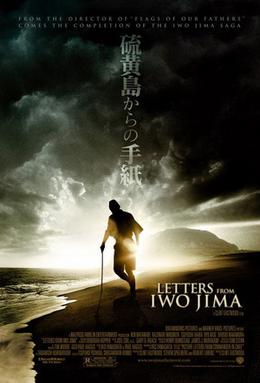
Letters from Iwo Jima (2) vs. We Were Soldiers (7)
CHARACTER DEVELOPMENT: “Letters” develops four main characters – Gen. Kurabayashi, Col. Nishi, Private Saigo, and Private Shimuzu. There are brief flashback scenes that explain motivation. Too brief. Even the letters that the movie is about are brief and do not tell us much about the men. “Soldiers” tries to juggle several characters, including their wives. The build-up to the Battle of Ia Drang allows the viewer to get to know Col. Moore, Sgt. Plumley, Lt. Geoghegan, and Maj. Crandall. We certainly learn more about Moore than Kuribayashi.
Score at the end of the first period: Soldiers – 8 Letters – 7
DIALOGUE: “Flags” has more dialogue than you would think. It is true to the Japanese personality and the soldier talk is realistic. We find that the Japanese soldiers were in some ways similar to our soldiers through their conversations. “Soldiers” is more conventional in its dialogue. It tries hard to be even-handed in its treatment of the NVA. In fact, the NVA commander talks a lot like Kurabayashi. The Americans, especially Moore, speak like American soldiers talk in war movies. Some of the dialogue is corny.
Halftime score: Soldiers – 15 Letters – 15
PLAUSIBILITY: Both movies are based on actual battles featuring real persons. “Letters” loses some credibility by downplaying the hardships the soldiers encountered. One soldier dies of dysentery, but it is quick and off camera. Life in the tunnels is not pleasant, but not horrifyingly disgusting as it should have been. The survival of the most likeable character is extremely unlikely considering only 296 of over 20,000 survived. His crossing paths with Kuribayashi several times is also hard to believe. “Soldiers” is excellent in its depiction of the Battle of Ia Drang, but some of the smaller details stretch credulity. At one point during training in America, they pick up a fire-fight in Vietnam on their unit radio. The final showdown is pure Hollywood.
Score after three periods: Soldiers – 23 Letters – 22
PLOT: “Letters” tells the story of several participants in the Battle of Iwo Jima. The story is linear with some brief flashbacks to their lives before arriving on the island. Although the plot is interesting in showing us the other side of the conflict, it does underdevelop several themes. It introduces the theme of dissension in the high command, but drops it. It does not fully compare the fanatical soldiers to the ones who are just wanting to survive. It neglects the families on the other ends of the letters. “Soldiers” basically uses the book as its screenplay, but with a religious subplot and the wives added in. The wives dealing with the deaths of their husbands adds depth to the picture. The battle follows the book closely, except for the ridiculous ending. By giving fair treatment to the enemy and to the Americans, it is different than most one-sided war movies.
FINAL SCORE: Soldiers – 31 Letters - 29
QUARTERFINALS: Master and Commander (6) vs. 300 (9)
CHARACTER DEVELOPMENT: “Master” fully develops the relationship between Aubrey and Maturin. They are friends, but have honest disagreements based on different philosophies. We learn that Aubrey is a firm, but understanding captain. He usually puts the good of the navy ahead of everything, although he makes an exception to save his friends life. Maturin is a secular humanist who is on the ship as a doctor, not a warrior. He clashes with his friend on the nature of discipline and the corruption of power. The rest of the cast come off as distinct characters. “300” does a good job developing the relationship of Leonidas and his wife, but Queen Gorgo is like a male version of her husband. There is little nuance. The rest of the 300 are all buff warriors, but interchangeable.
Score after the first period: Master - 9 300 – 7
DIALOGUE: “Master” is based on a book by a master story-teller. The dialogue is very true to the characters in the books by Patrick O’Brien. Nautical terms are thrown in, but not in a way that would perplex the audience. The conversations between Aubrey and Maturin are interesting. They make you wonder who is right. “300” is based on a graphic novel. The dialogue is appropriate for that genre which means it is a bit pompous. Try reading the script out loud and you will see what I mean. Unless the words are coming from a hunky Spartan warrior, they might seem silly.
Half-time score: Master – 18 300 – 14
PLAUSIBILITY: “Master” is not based on a true story and it does throw in some incidents that might have happened on several different ships, but each of the main plot developments are plausible. I have read a lot on Napoleonic naval warfare and there was nothing in the movie that made me cringe. “300” is at a disadvantage in this respect because it is supposed to be part fantasy. However, in the area of human behavior, it does not ring true in some key areas. The betrayal of Sparta by the ephors and Theron for Persian bribes makes no sense in a society that was indifferent to wealth. The Queen being raped by Theron and then killing him at an Assembly meeting is a huge stretch of credulity. The attitude of the 300 warriors is plausible, however.
Score at the end of three: Master – 26 300 – 21
PLOT: Both movies are based on well-written source novels. You could argue that the screenplays for both improved on the originals. Master and Commander actually culls plot developments from more than one O’Brien book. Check out the long, official title of the movie. It comes off as a “best of” compilation of scenes. 300 (the movie) fleshes out some characters, most notably the Queen. This converts the very macho novel into a more balanced action/romance/political intrigue plot. The plot of Master is reflective of a ship voyage with its variety of incidents. The plot of 300 is less complex as it drives toward the climax of the battle with side trips to see what is going on back in Sparta with the Queen versus Theron.
FINAL SCORE: Master – 35 300 - 28
Letters from Iwo Jima (2) vs. We Were Soldiers (7)
CHARACTER DEVELOPMENT: “Letters” develops four main characters – Gen. Kurabayashi, Col. Nishi, Private Saigo, and Private Shimuzu. There are brief flashback scenes that explain motivation. Too brief. Even the letters that the movie is about are brief and do not tell us much about the men. “Soldiers” tries to juggle several characters, including their wives. The build-up to the Battle of Ia Drang allows the viewer to get to know Col. Moore, Sgt. Plumley, Lt. Geoghegan, and Maj. Crandall. We certainly learn more about Moore than Kuribayashi.
Score at the end of the first period: Soldiers – 8 Letters – 7
DIALOGUE: “Flags” has more dialogue than you would think. It is true to the Japanese personality and the soldier talk is realistic. We find that the Japanese soldiers were in some ways similar to our soldiers through their conversations. “Soldiers” is more conventional in its dialogue. It tries hard to be even-handed in its treatment of the NVA. In fact, the NVA commander talks a lot like Kurabayashi. The Americans, especially Moore, speak like American soldiers talk in war movies. Some of the dialogue is corny.
Halftime score: Soldiers – 15 Letters – 15
PLAUSIBILITY: Both movies are based on actual battles featuring real persons. “Letters” loses some credibility by downplaying the hardships the soldiers encountered. One soldier dies of dysentery, but it is quick and off camera. Life in the tunnels is not pleasant, but not horrifyingly disgusting as it should have been. The survival of the most likeable character is extremely unlikely considering only 296 of over 20,000 survived. His crossing paths with Kuribayashi several times is also hard to believe. “Soldiers” is excellent in its depiction of the Battle of Ia Drang, but some of the smaller details stretch credulity. At one point during training in America, they pick up a fire-fight in Vietnam on their unit radio. The final showdown is pure Hollywood.
Score after three periods: Soldiers – 23 Letters – 22
PLOT: “Letters” tells the story of several participants in the Battle of Iwo Jima. The story is linear with some brief flashbacks to their lives before arriving on the island. Although the plot is interesting in showing us the other side of the conflict, it does underdevelop several themes. It introduces the theme of dissension in the high command, but drops it. It does not fully compare the fanatical soldiers to the ones who are just wanting to survive. It neglects the families on the other ends of the letters. “Soldiers” basically uses the book as its screenplay, but with a religious subplot and the wives added in. The wives dealing with the deaths of their husbands adds depth to the picture. The battle follows the book closely, except for the ridiculous ending. By giving fair treatment to the enemy and to the Americans, it is different than most one-sided war movies.
FINAL SCORE: Soldiers – 31 Letters - 29
QUARTERFINALS: Master and Commander (6) vs. 300 (9)
CHARACTER DEVELOPMENT: “Master” fully develops the relationship between Aubrey and Maturin. They are friends, but have honest disagreements based on different philosophies. We learn that Aubrey is a firm, but understanding captain. He usually puts the good of the navy ahead of everything, although he makes an exception to save his friends life. Maturin is a secular humanist who is on the ship as a doctor, not a warrior. He clashes with his friend on the nature of discipline and the corruption of power. The rest of the cast come off as distinct characters. “300” does a good job developing the relationship of Leonidas and his wife, but Queen Gorgo is like a male version of her husband. There is little nuance. The rest of the 300 are all buff warriors, but interchangeable.
Score after the first period: Master - 9 300 – 7
DIALOGUE: “Master” is based on a book by a master story-teller. The dialogue is very true to the characters in the books by Patrick O’Brien. Nautical terms are thrown in, but not in a way that would perplex the audience. The conversations between Aubrey and Maturin are interesting. They make you wonder who is right. “300” is based on a graphic novel. The dialogue is appropriate for that genre which means it is a bit pompous. Try reading the script out loud and you will see what I mean. Unless the words are coming from a hunky Spartan warrior, they might seem silly.
Half-time score: Master – 18 300 – 14
PLAUSIBILITY: “Master” is not based on a true story and it does throw in some incidents that might have happened on several different ships, but each of the main plot developments are plausible. I have read a lot on Napoleonic naval warfare and there was nothing in the movie that made me cringe. “300” is at a disadvantage in this respect because it is supposed to be part fantasy. However, in the area of human behavior, it does not ring true in some key areas. The betrayal of Sparta by the ephors and Theron for Persian bribes makes no sense in a society that was indifferent to wealth. The Queen being raped by Theron and then killing him at an Assembly meeting is a huge stretch of credulity. The attitude of the 300 warriors is plausible, however.
Score at the end of three: Master – 26 300 – 21
PLOT: Both movies are based on well-written source novels. You could argue that the screenplays for both improved on the originals. Master and Commander actually culls plot developments from more than one O’Brien book. Check out the long, official title of the movie. It comes off as a “best of” compilation of scenes. 300 (the movie) fleshes out some characters, most notably the Queen. This converts the very macho novel into a more balanced action/romance/political intrigue plot. The plot of Master is reflective of a ship voyage with its variety of incidents. The plot of 300 is less complex as it drives toward the climax of the battle with side trips to see what is going on back in Sparta with the Queen versus Theron.
FINAL SCORE: Master – 35 300 - 28
Sunday, April 3, 2011
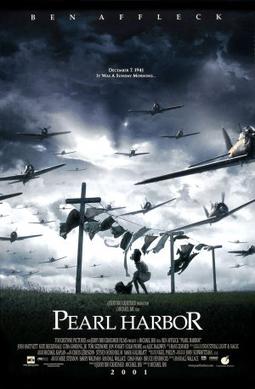
MARCH MADNESS: The Hurt Locker (1) vs. Pearl Harbor (16)
ACTING: I do not think Pearl Harbor was cast with acting in mind. The leads were obviously chosen for their attractiveness to a young audience. Ben Affleck as Rafe McCawley (just the name gives you an inkling of what you are in store for) and Josh Hartnett as Danny Walker have had inconsistent acting careers. This movie is not one of their better performances. But this is a CG-reliant, adrenaline-fueled excuse for multi-blasts by one of the kings of that genre – Michael Bay. You get what you paid for. “The Hurt Locker” is much better acted. Jeremy Renner as the mentally unstable bomb tech Will James is spectacular and deserved the Best Actor nomination. He makes the character fascinating and unlikeable at the same time. He is very ably matched by his team consisting of Anthony Mackie as “by the book” Sgt. J.T. Sanborn and Brian Geraghty as “stuck in the middle” Specialist Owen Eldridge.
Score at the end of first period: Hurt – 10 Pearl - 6
REALISM: Cliches are based on actual possibilities in real life, but when you cram a bunch into a movie you exit real life and enter the realm of ridiculous. Any one of the clichés that happened in Pearl Harbor might have happened to someone, but not all of them and not to a small group of airmen. The idea that Rafe would be presumed dead while flying for the Eagle Squadron in England long enough for his best friend to fall in love with his fiancé is a fantasy aimed at forcing a romantic dilemma into the picture. This is just one example. Even the heralded Japanese attack features numerous shots of Japanese Zeros flying between the battleships for no logical reason. Rafe and Danny play chicken to get two sets of Zeros to crash into each other – ‘nuff said. The Hurt Locker tries to give a realistic portrayal of the Iraqi War, but it has problems as well. We must totally buy into the Army having an unstable individual in charge of a bomb disposal unit. James does things that only someone with a death wish would do, but not just his own death. The movie does clearly indicate the feelings of his team, but could this loose cannon style be realistic? Two scenes make little sense. The team meets some mercenaries in the desert and engages in a sniper duel and when investigating a bombing in the Green Zone, James sends the group up separate alleys hunting the bombers. I cannot imagine either of these scenarios actually occurring. However, the main theme of war being an adrenaline rush is realistic for some soldiers, especially bomb techs. The scene with James chafing at being safe at home and being overwhelmed by the variety of cereals at the grocery store certainly rings true for many veterans of combat.
Half-time score: Hurt – 17 Pearl - 11
ACCURACY: Pearl Harbor is not exactly a history lesson that replaces having to read a book about it. The basics are okay, but some key plot points are laughable to anyone knowing even the basics of the attack. Rafe would not have been allowed to join the Eagle Squadron while on active duty, nor be reassigned back to his original squadron if he had gotten into the Eagle Squadron. It is ridiculous to have Rafe and Danny participating in the Doolittle Raid. Are audiences so ignorant about the differences between fighter pilots and bomber pilots? Bay thinks so. While their back-stories are pure Hollywood, at least Rafe and Danny could be said to based on real heroes George Welch and Kenneth Taylor who actually shot down 6 planes that day (not the twenty or so that Rafe and Danny shot down). Kudos on the fairly accurate portrayal of Dorie Miller. Although some historians sniff at the fact that he may not have shot down any planes, it was appropriate to show him shooting down one. By the way, no nurses were killed in the attack. THL is a more difficult film to analyze for accuracy. It does not claim to be a true story. It is based on Mark Boal’s reporting as an embedded journalist with an EOD unit. James is a composite character (thank goodness). The techniques used are apparently fairly accurate, but procedures are off. Teams did not go off by themselves in lone Humvees. No tech would be allowed to keep parts of bombs. None would have broken communications with their team nor put their men in unreasonable jeopardy.
Score after three periods: Hurt – 24 Pearl – 17
ENTERTAINMENT VALUE: Pearl Harbor was roasted by the critics, but made a lot of money. That tells you a lot about the movie-going public. However, since this blog is aimed at war movie lovers, the movie is a lot less entertaining to discerning viewers. The CGI is fake-looking, the characters’ emotions are phony, the love story is ridiculous, the clichés are overwhelming, the dialogue is corny, etc. It is the moron’s answer to “Tora! Tora! Tora!” The Hurt Locker won the Best Picture award and is considered one of the best movies of the decade and the best movie about the Iraqi War. It has great acting, some amazing set pieces, and suspense. it also gets into the heads of modern American soldiers and shows the stresses of warfare in an urban environment with potential enemies blending in with the population. Basing an entertaining movie in Iraq was a sizable accomplishment for Kathryn Bigelow and she deserved the Best Director award.
Final score: Hurt – 32 Pearl - 24
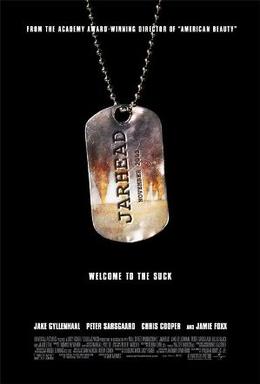
Jarhead (8) vs. 300 (9)
We Were Soldiers (7) vs. Defiance (10)
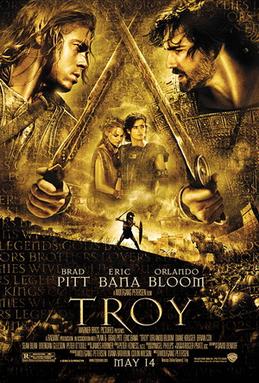
Master and Commander (6) vs. Troy (11)
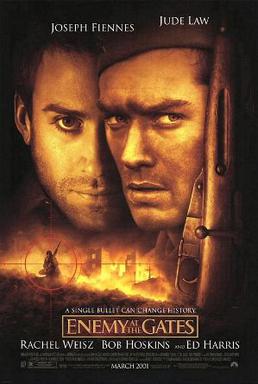
Flags of Our Fathers (5) vs. Enemy at the Gates (12)
Black Hawk Down (4) vs. Kingdom of Heaven (13)
Inglorious Basterds (3) vs. The Great Raid (14)
Letters from Iwo Jima (2) vs. Flyboys (15)
QUARTERFINALS:
The Hurt Locker vs. The Great Raid
Letters from Iwo Jima vs. We Were Soldiers
300 vs. Master and Commander
Black Hawk Down vs. Flags of Our Fathers
*** The quarterfinal matches will be based on Character Development, Dialogue, Plausibility, and Action
Friday, April 1, 2011
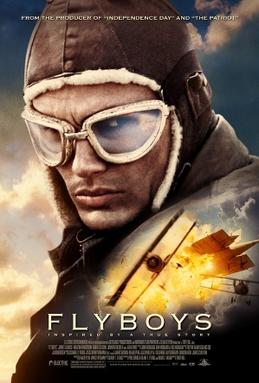
MARCH MADNESS: Letters from Iwo Jima (2) vs. Flyboys (15)
ACTING: “Flyboys” stars James Franco as rancher turned pilot Blaine Richards. It was his first action star turn. His performance is capable, but certainly not noteworthy. The other leads are Martin Henderson as the veteran ace Reed Cassidy and Jean Reno as French Capt. Thenault. No one stands out in this movie. There is a little chemistry between Franco and Jennifer Decker as Lucienne. “Letters” is anchored by Ken Watanabe as Gen. Kuribayashi. He was nominated for the Best Actor Oscar. Kazunari Ninomiya gives a touching performance as the sad sack Private Saigo. The rest of the cast is good.
Score at the end of the first period: Letters – 8 Flyboys – 6
REALISM: “Flyboys” is often ridiculous in its depiction of WWI air combat. It is the U-571 of air combat movies in that it piles every air combat cliché into one movie. The CGI effects are poor. It seems as though every German fighter plane is a red Fokker tri-plane. The squadron is impossibly heterogeneous and the deaths are predictable and foreshadowed clumsily. The scene where Richards lands in no man’s land to rescue a downed comrade is one of the most unrealistic scenes in war movie history. “Letters” is much more realistic, but does have its flaws. It admirably depicts the human frailties and fears of the Japanese soldiers, but probably downplays their fanaticism. The truth is somewhere between the movie and wartime propaganda. The conditions in the tunnels are much too spacious and not nearly appalling enough. The combat is okay, but not intense or brutal enough.
Half-time: Letters – 16 Flyboys – 11
ACCURACY: “Flyboys” purports to be the story of the Lafayette Escadrille which was a squadron of American volunteers who flew for the French air force before U.S. entry into WWI. Some of the characters are based on actual pilots. They are very loosely based on those individuals. For instance, Richards is supposed to be Frank Luke (who was not a member of the Lafayette Escadrille), but other than a western drawl there is little resemblance. Franco does not play him as the lone jerk that Luke was. Cassidy as Raoul Lufbery is closer, but his death is way off. The producers insisted on a black pilot so they jammed Eugene Bullard in as Eugene Skinner, a boxer who retires to be a pilot. The real Bullard was a boxer, but he served in the Lafayette Flying Corps, not the Escadrille. None of the events depicted appear to have happened. “Letters” features two historical figures – Gen. Kuribayashi and Col. Nishi. Their back-stories are accurate. Nishi was an Olympian and both had spent time in the U.S. However, unlike the movie, they were not friends on Iwo and actually were antagonists. Watanabe does a good job portraying the leadership and strategy of Kuribayashi. A key scene where Nishi gives the last of his unit’s morphine to a Marine prisoner surely is not accurate. The movie does not do a good job giving a sense of what is happening in the battle. The plight of the soldiers is accurate, but underplayed.
Score after three periods: Letters – 24 Flyboys – 17
ENTERTAINMENT VALUE: “Flyboys” is definitely aimed at the youth demographic. This explains James Franco as the lead. Since young people have not been exposed to all the clichés, maybe it seems fresh to them. The dialogue is poor. Much of it is ridiculous and some of it is laughable which does make it entertaining in a perverse way. “Letters” is aimed at the exact opposite audience. It attempts admirably to depict the Battle of Iwo Jima in a way sympathetic to the Japanese. The main characters are attractive and you care what happens to them. The combat is above average, but sparse. It does a better job on soldier life.
FINAL SCORE: Letters – 32 Flyboys - 23
Wednesday, March 30, 2011
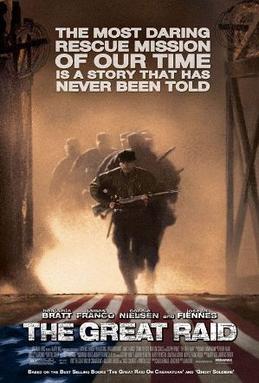
MARCH MADNESS: Inglorious Basterds (3) vs. The Great Raid (14)
ACTING: “Inglorious Basterds” is a Quentin Tarantino film with his usual eclectic cast. It stars Brad Pitt as Aldo Raines who leads a special commando squad behind enemy lines. The character is over the top and Pitt takes a deep bite into the role (as well as the foreheads of Nazis). He is not even the best actor in the film. That honor goes to the amazing Christophe Waltz as the charmingly malevolent S.S. Col. Hans Landa. The female leads, Diane Kruger as actress Bridget von Hammersmark and Melanie Laurent as the Jewish cinema operator Shoshanna, are amazing. “The Great Raid” has a B-list cast headed by Benjamin Bratt as Col. Henry Mucci and James Franco as his subordinate Bob Prince. It also has a beautiful blond (Connie Nielsen as Margaret Utinsky) who plays the nurse helping the Filipino Resistance. The cast is capable, but unspectacular.
Score at the end of the first period: Basterds – 10 Raid – 7
REALISM: Did I mention Basterds is a Tarantino film? ‘Nuff said. It is one of the most unrealistic war films ever made. It makes the “Dirty Dozen” look like a documentary. It would be hard to find anything that happens in the film that is plausible. But that is not the point. It is meant to be outlandish. For this reason, I give it a default 6. Raid does a good job portraying life in a Japanese prison camp and the difficulties of a raid behind enemy lines. The romance is, of course, unrealistic and you have some other Hollywood contrivances, but on the whole most of it rings true.
Score at half: Basterds – 16 Raid – 15
ACCURACY: Did you know that we killed Hitler and his high command when he attended a movie premier in Paris after D-Day? Did you know that during WWII we had an elite commando unit in occupied France which slaughtered and scalped Nazi soldiers? If you did, you think like Tarantino – get to a psychiatrist immediately! Default 6 again. Raid is based on the books The Great Raid on Cabanatuan by William Breuer and The Ghost Soldiers by Hampton Sides. I have read Sides’ book and it was one of the best books I have ever read. The movie does not live up to it, but none could. I was prepared to be severely disappointed. The movie is actually quite true to the book, other than the romance. Surprisingly, the Utinsky character is faithful to the truth. The raid itself is close to what happened, but with the typical Hollywood bullshit that insists on a showdown with the evil camp commandant. The little touches are right. For example, the fly-over to distract the Japanese. If you did not want to read the books, the movie retells the story in an educational way.
Score after three periods: Basterds – 22 Raid – 24
ENTERTAINMENT VALUE: Basterds was nominated for the Academy Award for Best Picture and Waltz won the Oscar for Best Supporting Actor. It has some amazing scenes, especially the French farmhouse opening, the basement bar showdown, and the explosive and fiery mass assassination. Several deaths are shocking in a good way. Tarantino’s style and homages to familiar movies are mesmerizing. Raid looks like a made for TV movie. A good one, but it lacks the pizazz a great war movie has. The raid itself is one of the best action war scenes in recent memory. It deserves credit for reviving a story that was huge in 1945, but had been forgotten over the decades.
Score at the end of regulation: Basterds - 31 Raid - 31
FINAL SCORE: Raid 32 Basterds – 31
*** In overtime, Raid wins because it is a pure war movie and honors the most successful rescue mission in American History.
Saturday, March 26, 2011
MARCH MADNESS: Black Hawk Down (4) vs. Kingdom of Heaven (13)
ACTING: Kingdom has an all star cast headed by Orlando Bloom as Balian of Ibelin. He is adequate in his portrayal of the saintly blacksmith turned warrior. The supporting cast includes Jeremy Irons (bringing gravitas), Liam Neeson (dead too soon), and Brendan Gleeson (chewing scenery). Strangely, arguably the best member of the cast (Edward Norton) spends the whole movie in a mask as the leperous King of Jerusalem. Black Hawk has a cast that would become all-stars. You will see many actors before their careers exploded. No one dominates and all are very good. It is obvious they went through some type of movie boot camp to prepare for their roles. Stand-outs are Eric Bana (the cynical warrior), Tom Sizemore (reprising his SPR role), and Sam Sheppard (as the brow-furrowed general). Interestingly, Orlando Bloom appears in both movies. In Black Hawk, he plays the cherry Blackburn whose fall from a helicopter starts the string of bad events. It’s the best performance of his career.
Score at the end of the first period: Black Hawk – 9 Kingdom – 8
REALISM: Kingdom really struggles with plausibility. Balian is a blacksmith and yet with one lesson from his warrior father, he becomes a kick-ass swordsman. He is the only survivor of a shipwreck. He saves the life of a Muslim who turns out to be a noble who later returns the favor. When Saladin’s army arrives outside the dastardly Templar (Gleeson) castle, the King’s army arrives at the same time. Guy (the other villain) kills Saladin’s sister to ramp up his villainy. These are just a few examples of reality defying plot developments. I won’t mention that all the Muslims are good. Black Hawk is admirably realistic in its depiction of modern urban warfare. It is chaotic and hard to know what is going on even one block away. It is hard to hit a moving target in a combat situation, even the good guys miss a lot. The soldiers talk like soldiers and run the gamut of emotions common for units in combat. It also shows the modern command and control structure.
Half-time: Black Hawk – 18 Kingdom – 14
ACCURACY: Kingdom is actually based on a true story, but much of that story has been Hollywoodized. The inaccuracies are too numerous to mention. Here are some samples. Balian was not a blacksmith (he was an important noble) and did not hook up with Sibylla. Guy and Reynard were not Templars. Nothing happened to Saladin’s sister. Sybella was happily married to Guy. However, much of the seemingly bogus elements of the story were surprisingly close to the truth. The Battle of Hattin is handled well. The siege of Jerusalem, while not as short as depicted, was correct in that Balian was in command and did negotiate the surrender after threatening to destroy the city. The big complaint has been with the implication that there was peace between the Christians and Muslims that was shattered by Reynard and Guy. Black Hawk is based on the book by Mark Bowden. The book is highly acclaimed in its retelling of the Battle of Mogadishu. Bowden was hands on in the screenplay and the movie sticks to the book for the most part. It is about as accurate a portrayal of a battle as you can find. The Army was pleased with the final product. It accurately reflects the strategy and tactics of that mission. There are a few minor Hollywood revisions. For instance, Eversmann (Josh Hartnett) actually was evacuated before the night. Blackburn did not fall because the helicopter dodged an RPG.
Score after three periods: Black Hawk – 27 Kingdom – 21
ENTERTAINMENT VALUE: Both these films were directed by Ridley Scott who knows a little about giving audiences what they want. They differ greatly in how they attempt to entertain. Kingdom is more well-rounded in that it includes a romance, politics, villainy, and action. Black Hawk is a pure war movie. Not a single female speaks in the film. The action is exhilarating. It is suspenseful. It also has emotional moments (like the death of Smith). There is no romance (not counting bromance, of course). Since I am a guy, I would say Black Hawk is much more entertaining. I could see where a female might prefer Kingdom, even though it is not as good a movie.
Final score: Black Hawk Down – 36 Kingdom of Heaven - 28
Friday, March 25, 2011
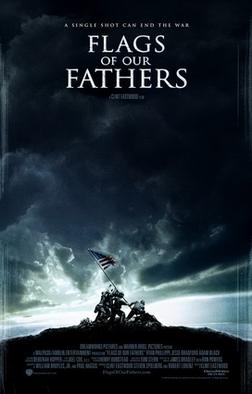
MARCH MADNESS: "Flags of Our Fathers" (5) vs. "Enemy at the Gates" (12)
ACTING: “Flags” does not have an A-List cast. The main characters: Ryan Phillippe as James Bradley, Jesse Bradford as Rene Gragnon, and Adam Beach as Ira Hayes, are very good. Director Clint Eastwood made an excellent decision to not load the story down with famous stars. Beach is especially poignant in portraying the troubled Hayes. “Enemy” has showier leads. Jude Law as Vasily Zaitsev and Joseph Fiennes as Danilov are fine with Danilov being less believable. Bob Hoskins brings the proper bombast to the role of Nikita Khrushchev. Rachel Weisz as female sniper Tanya is too well-coiffed and beautiful for the role. She also makes no attempt at a Russian accent. Ed Harris steals the acting honors with the coldly efficient and malevolent Major Konig.
Score at the end of the first period: Flags – 9 Enemy – 8
REALISM: “Flags” attempts to authentically depict the terrors of combat in the Pacific and the media circus on the home front that confronted the flag-raising heroes. The combat has the feel of “Saving Private Ryan” and is appropriately chaotic, explosive, and graphic. The fighting is vicious and sometimes hand-to-hand with bayonets. The bond drive on the home front is a mixture of cynicism and ultrapatriotism. It’s laid on a bit thick, but not in a ridiculous way. “Enemy” has chosen to set a love triangle in the middle of the greatest battle of WWII. It’s small world approach to the character’s encounters defies credulity. The city of Stalingrad, while appropriately a shambles, appears to be empty save for the maneuverings of the featured characters. It also relies on some amazing pieces of luck to advance the two main foes to their final confrontation.
Score at half: Flags – 18 Enemy – 14
ACCURACY: “Flags” is based on the book by James Bradley and Ron Powers. The movie takes few liberties with the narrative. It is about as accurate as you can find. I could find no major flaws in it. The landing is true in its depiction of the Japanese allowing the Marines to come inland a bit before opening fire. Marine tactics are true to their style. The deaths of the three flag-raisers who did not survive are accurate. Even the small touches like Harlon Black’s mother recognizing his butt in the picture are true. “Enemy” has numerous problems with historical accuracy. The movie was inspired by a small portion of William Craig’s study of the battle. Craig added the legendary duel between Zaitsev and Konig to his story basing it on Soviet records which obviously were subject to communist propaganda. The movie takes this already dubious legend and ramps it up to a love triangle/snipers duel. I was surprised to find that there actually was a Sacha who was a double agent and was hanged by the Germans (of course not in the way depicted). I was stunned to find that there was a female sniper named Tanya and she apparently had a relationship with Zaitsev (although even the Soviet historians did not go as far as having them live happily ever after as the movie implies). Generally speaking, the movie does a poor job as a tutorial on the Battle of Stalingrad. You get no idea what the big picture is. It also goes overboard in showing Russian soldiers being forced to make suicide attacks.
Score at the end of three: Flags – 28 Enemy – 20
ENTERTAINMENT VALUE: “Flags” is an excellent blend of exciting action and character development. It manages to tell the story of the flag-raising while also giving a clear picture of what Iwo Jima was like and what the home front in 1945 was like. Eastwood examines the question: what is a hero? He indicts the government’s manipulation of heroes for morale-boosting and fund-raising purposes. He does not glamorize war and shows the randomness of death on the battlefield. The most respected soldier (Make Strank) is killed by friendly fire. The movie also explores post traumatic stress disorder through the tragedy of Hayes. Its nonlinear structure is effective. “Enemy” is stronger as pure entertainment. It is obvious the producers sacrificed accuracy for entertainment. The set pieces are well done. It has a strong female character. (There is a very erotic scene that has no nudity in it.) It has some very suspenseful cat and mouse scenes. It concentrates on snipers – the coolest of the cool. The soundtrack by James Horner fits the scenes perfectly. Unlike “Flags”, it is not trying to enlighten its audience. It is fun in a cliché-ridden, good guy wins, sort of way.
FINAL SCORE: Flags – 36 Enemy - 29
March Madness rules
Jarhead (8) vs. 300 (9)
We Were Soldiers (7) vs. Defiance (12)
Master and Commander (6) vs. Troy (11)
Saturday, March 19, 2011
TROY (11) vs. MASTER AND COMMANDER (6)
ACTING: “Troy” is a showcase for Brad Pitt as Achilles. However, the rest of the cast is strong and in some cases do a better job than Pitt (Eric Bana as Hector, for one). Each of the main actors portrays the personality of their character in a manner true to Homer. Even Orlando Bloom comes off well as the wimpy ladies’ man Paris. The female characters are weaker. “Master and Commander” is similarly set-up as a showcase for Russell Crowe as Capt. Jack Aubrey. His is ably balanced by Paul Bettany as the doctor and naturalist Stephen Maturin. The rest of the crew is outstanding. There is no scene chewing, which cannot be said for Troy.
Score at the end of one period: Master – 9 Troy – 7
REALISM: “Troy” is of course based on a legend, but in a bow to reality, the Greek gods are taken out of the story. The humans are more real than in Homer’s tale. Pitt’s Achilles may be the best killer, but he does not kill thousands. Achilles relationship with Breisias does not ring true. It’s your typical Hollywood “they hate each other so you know they will fall in love” relationship. Also, Helen is not beautiful enough to have sacrificed a city for. (Apparently Pitt’s contract insisted no one be more beautiful than him.) The armies are obviously CGI. “Master and Commander” is very authentic to life on board a warship during the Napoleonic War. Even the smallest touches are real. Aubrey is one type of British naval commander – the strict, but fair disciplinarian. The friendship of Aubrey and Maturin withstand their differences of opinions. There is no CGI, they used a real wooden ship. They even filmed scenes at the Galapagos Islands
Halftime score: Master – 18 Troy – 14
ACCURACY: The source of Troy is Homer’s “Iliad”, but keep in mind Homer only covers about six months of the war. The movie is more a retelling of the whole war than of just the Iliad. No matter how you look at it, the screenwriters took major liberties with Homer and the legend. Leaving the gods out is acceptable, but changing the deaths of several famous characters is an insult to intelligent viewers. The ridiculous inclusion of a fire ball scene ala “Spartacus” hurts credibility. In fact, most of the combat is inaccurate as “The Iliad” has most of the fighting as duels between warriors whereas the movie shows mainly phalanx battles. “Master” is also based on fiction, but is much truer to the books than Troy is to the legend. Its depiction of naval life and tactics is very accurate. Particularly noteworthy is the separate lives of the officers and the crew. I could find nothing that was not plausible and I have read a lot on Napoleonic naval warfare.
Score at the end of three periods: Master – 28 Troy – 20
ENTERTAINMENT VALUE: If you are not familiar with Homer or don’t care about Menelaus not surviving to bring Helen home (for instance), you will probably find Troy enjoyable. I guess you could argue that the “alterations” to the legend improve the story. Purists beware, however. It is definitely epic and it is probably more female friendly than Master and I’m not just talking about Brad Pitt’s ass. “Master” is more of a male-oriented movie. There are no female characters. However, it is not just action. The film has some terrific battle scenes, but it intersperses them with quieter moments of character development. It is well-rounded which actually means it’s slower moments might turn off action war movie fans. You cannot say that Troy is the best historical epic ever made, but you could argue that Master and Commander is the best movie about wooden warship combat ever made.
FINAL SCORE: Master and Commander – 37 Troy - 28
Friday, March 18, 2011
WE WERE SOLDIERS (7) vs. DEFIANCE (10)
Score at the end of the first period – Defiance - 9 We Were Soldiers - 7
REALISM: “Defiance” tries to convey the hardships of Belorussian Jews as they hide in the forests. It undoubtedly was rougher than the movie conveys. At one point, Zus is badly wounded in an attack on a police station, but shows little ill effects. The defeat of a German unit that includes a tank is certainly very unrealistic. “We Were Soldiers” has been mentioned as one of the most authentic Vietnam War movies. The combat is properly intense and chaotic. Death comes randomly. Americans die in horrible ways.
Score at half – We Were Soldiers – 16 Defiance – 16
ACCURACY: “Defiance” is based on a true story of the Bielski brother s and their Jewish charges who hid in the forests of Belorussia during WWII. Their arrangement with Russian partisans is accurate, but the big battle at the end is fictional. The brothers, especially Tuvia, are portrayed as more saintly than they actually were. Sources say they had their pick of the women, for instance. “We Were Soldiers” is based on a best seller by Moore and war correspondent Joseph Galloway (Barry Pepper). They both approved of the way the book was brought to screen. Although much of the combat seems Hollywoodized, up until the end the battle is actually very accurately depicted. Most of the key incidents did occur. The movie is marred by a ridiculous bayonet charge and gunship assault that was nowhere near the truth. Just feel-good bull shit to have a happy ending.
Score at the end of three periods – We Were Soldiers – 25 Defiance – 22
ENTERTAINMENT VALUE - Both movies are very entertaining. The conflict between the Bielski brothers and the alternation between Tuvia trying to hold together his hodgepodge of civilians and Zus kicking ass with the partisans is interesting. The final battle scenes are intense and well done, if inaccurate. “We Were Soldiers” is a bit hokey and even is overtly religious, but it makes up for it with some great combat scenes. It also has some laugh-inducing clichés including the old soldier looks at the picture of his girl before going into combat (partly alleviated because he’s an enemy soldier) and then dies. The home front scenes of the wives receiving telegrams is powerful. It also deserves a lot of credit for humanizing the enemy.
Final Score – We Were Soldiers – 33 Defiance - 30
Thursday, March 17, 2011
Jarhead (8) vs. 300 (9)
ACTING: Both movies have fine casts and are well acted. Jake Gyllenhaal as Anthony Swofford does a good job portraying a Marine sniper who is tested mentally and physically by the stress of waiting for combat and then combat itself. Gerard Butler as King Leonidas gives a powerful performance and captures the arrogance of a Spartan king. The supporting casts are strong in both movies. 300 includes a break-out performance by Lena Hedey as Leonidas’ wife. Jarhead has the ever reliable Jamie Foxx as the gruff sergeant. I give a slight edge to 300.
Score after one period: 300 – 8 Jarhead – 7
REALISM: Jarhead is based on an acclaimed memoir. If we assume Swofford was telling the truth, then the movie should be pretty realistic. However, the book and movie have been criticized for being melodramatic and over the top in its depiction of the behavior of young Marines. It seems unlikely all the wild incidents could have happened to the same platoon. Swofford almost killing a fellow soldier is an example. However, the movie deserves credit for portraying war as a lot of waiting and not a lot of combat. The attitudes of the Marines seem authentic. 300 is not supposed to be realistic. It is true to the spirit of the graphic novel by Frank Miller. Given that qualification, it is surprisingly close to the real story in several areas – Spartan training, weapons and tactics, and attitudes. Under the circumstances it is fair to give it a default 6.
Score after the second period: Jarhead – 15 300 - 14
ACCURACY: It is hard to judge the accuracy of Jarhead. We have to rely on Swofford’s word for some of it. Some of the incidents seem exaggerated at the least. The crucial scene where he is denied his opportunity to get a kill is changed in the movie for dramatic effect. The Highway of Death scene is highly unlikely. On the other hand, 300 is based around the Battle of Thermopylae, but is not meant to be a history lesson. It is surprisingly accurate for a movie that is so extravagant. The basics of the battle are there. Several of the main characters are based on real people. If you throw out the fantastic elements and the subplot of government treachery, it is acceptable as history.
Score after the third period: Jarhead – 23 300 – 20
ENTERTAINMENT VALUE: Jarhead suffers from lack of action. The accurate depiction of how most soldiers do not get to kill in combat is admirable, but ultimately unfulfilling. Swofford’s descent into mental breakdown because of his obsession with his girlfriend’s infidelity is not really believable. Several members of the unit show stress related disorders when in fact they had not been through anything particularly harsh. 300 was a revolutionary movie. Nothing like it had been seen before, at least in a war movie. The visuals are stunning and the combat scenes are mesmerizing. The fact that this cinema eye candy was structured around a true story and had strong acting to go with the effects make it a special movie.
Final Score: Acting Realism Accuracy Enter. Final
Jarhead 7 8 8 6 29
300 8 6 6 10 30
Subscribe to:
Posts (Atom)